SF Series Aviation Connectors Specifications and Performance Data
Project Background: Connectivity Challenges in Handheld Ultrasound Devices
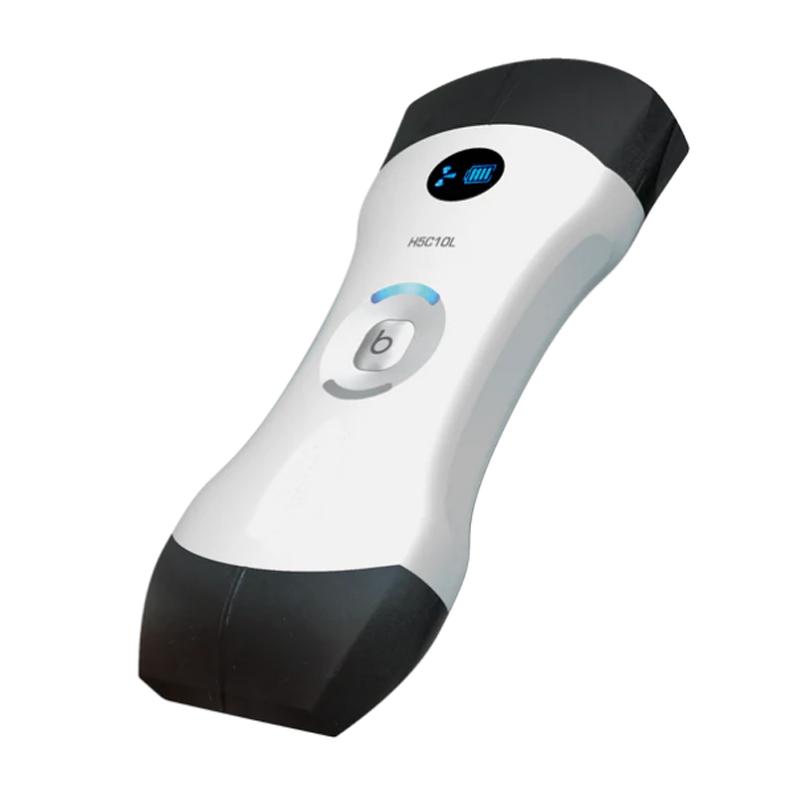
Handheld ultrasound devices are essential tools in point-of-care diagnostics, used in emergency rooms, ambulances, and bedside examinations. These compact systems rely on stable electrical and signal connections between ultrasound probes, power modules, and signal processing units to deliver clear imaging and consistent performance. Frequent movement, vibration, and regular cleaning in clinical environments place significant mechanical and environmental stress on device interfaces, making connector reliability a critical factor in diagnostic accuracy and device uptime.
M12 connectors are widely adopted in this application to connect probes, power lines, and data interfaces. Their rugged housings and secure threaded locking mechanisms maintain stable connections under continuous handling, while their moisture resistance helps protect sensitive electronic signals and preserve imaging quality.
Interface and Environmental Requirements
For handheld ultrasound equipment, the connector interface must meet several demanding conditions:
-
Electrical requirements: Reliable power transmission and high-quality data signal integrity between the probe, processing unit, and display module.
-
Mechanical requirements: Secure mating under frequent plugging and unplugging, with resistance to vibration and accidental disconnection during patient transport or bedside use.
-
Environmental requirements: Protection against moisture, cleaning agents, and dust commonly encountered in medical settings.
-
Installation and maintenance: Fast, tool-friendly connection and disconnection to support quick probe changes and module servicing.
Connector Solution: M12 Series for Medical Device Interfacing
The M12 connector series provides a compact, circular interface with threaded coupling, available in multiple pin configurations and keying options to suit power and signal transmission needs. The threaded locking design ensures a vibration-resistant connection, while the sealed housing construction supports the ingress protection required for medical environments. This configuration allows handheld ultrasound manufacturers to achieve dependable connectivity without compromising device size or weight.
Verification and Delivery Process
Before deployment, sample connectors are evaluated against the device's electrical load, signal integrity requirements, and mechanical mating cycles. Configuration confirmation includes pin count, keying orientation, cable entry, and mounting style to match the ultrasound device's internal layout. Trial assembly and functional testing verify stable power delivery and signal transmission under simulated handling and cleaning conditions. After successful validation, connectors are delivered with documented test results and installation guidance to support production integration.
Verified Results and Application Benefits
M12 connectors contribute to reliable device operation by maintaining stable connections during continuous clinical use. Their secure locking mechanism reduces the risk of intermittent signal loss, while their moisture-resistant construction supports device longevity in cleaning-intensive environments. For maintenance teams, the quick-connect design minimizes downtime during probe replacement or module servicing, enhancing operational efficiency in point-of-care settings.
For related connectivity solutions in portable medical equipment, see SP17 Waterproof Connectors in Portable Ultrasound Equipment or review the Aviation Plug Connectors catalog for additional interface options.
To discuss connector requirements for your handheld ultrasound device, please use the inquiry form or contact our engineering team with your electrical, mechanical, and environmental specifications.




 Tel: +8619924482730
 Email: info@kmydconnector.com
 MP/WhatsApp: +8619924482730
 Manufacturer Address:Baoan District, Shenzhen City, Guangdong Province,China