12G Aviation Connectors with Multiple Core Count Options
Electrocardiograph Monitor Connector Requirements
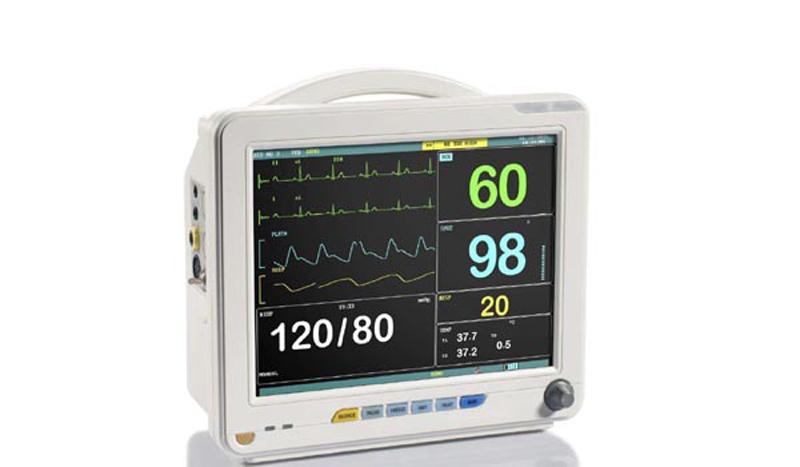
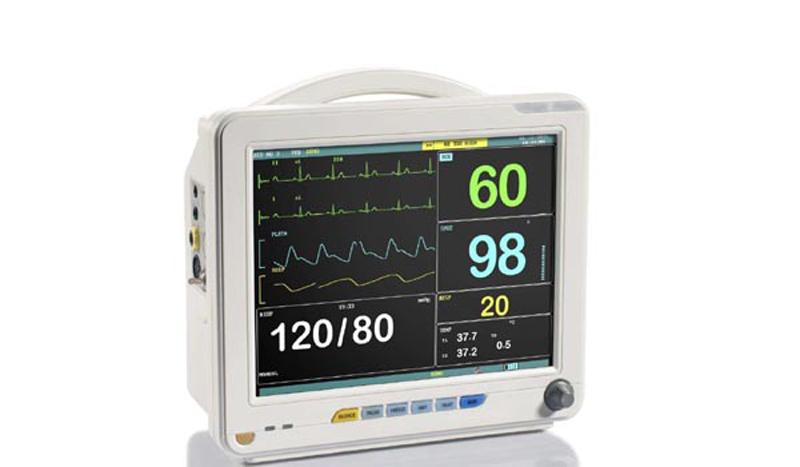
In electrocardiogram (ECG) monitors and patient monitoring systems, electrical connectors serve as critical interfaces that directly impact signal integrity, patient safety, and clinical reliability. These components are found at multiple points: they facilitate the connection between disposable adhesive electrodes and the patient cable via snap or clamp terminals, link the patient cable to the monitor's main unit, and integrate internal subsystems such as display modules, networking ports, and power supplies.
Signal Integrity and Electrical Performance
For ECG signal acquisition, connector contact resistance and insulation resistance directly affect waveform fidelity. Low-resistance gold-plated contacts help preserve microvolt-level biopotential signals from electrode to processing circuitry. Shielding and proper grounding paths reduce electromagnetic interference from adjacent power lines and display drivers, which is essential for clean P-QRS-T waveform capture in clinical environments.
Patient Safety and Mechanical Durability
Connectors in patient-connected paths must maintain reliable mating cycles under repeated clinical use. Strain relief at cable entry points prevents conductor fatigue and intermittent contact failures. The mechanical locking mechanism must resist accidental disconnection during patient movement or transport while remaining easy for clinical staff to release deliberately.
Environmental and Cleaning Considerations
Medical monitors require connectors that withstand routine disinfection with hospital-grade cleaning agents. Sealed or protected interfaces help prevent fluid ingress from spills or cleaning procedures. Temperature and humidity ranges typical of clinical settings should be verified against the connector's rated operating envelope.
Selection Guidance for ECG Monitor Connectors
- Confirm pin count and contact layout for the specific patient cable and electrode configuration
- Verify current rating for defibrillation protection circuits and lead-off detection signals
- Check mating cycle rating against expected cable replacement frequency
- Assess cable diameter range compatibility with the connector's strain relief
- Review IP rating and chemical resistance for the intended cleaning protocol
For related connector options in medical monitoring applications, see SP21 Waterproof Connectors for Patient Monitors or review the Aviation Plug Connectors catalog for circular interface alternatives.
Inquiry Checklist
When requesting connector samples or specifications for an ECG monitor project, provide the following details: required pin count, signal type (ECG, SpO2, temperature), cable outer diameter, mating frequency, cleaning agent exposure, and operating temperature range. Include your monitor's PCB interface requirements and any mechanical mounting constraints.




 Tel: +8619924482730
 Email: info@kmydconnector.com
 MP/WhatsApp: +8619924482730
 Manufacturer Address:Baoan District, Shenzhen City, Guangdong Province,China