RF Connector Types, Materials, and Electrical Specs
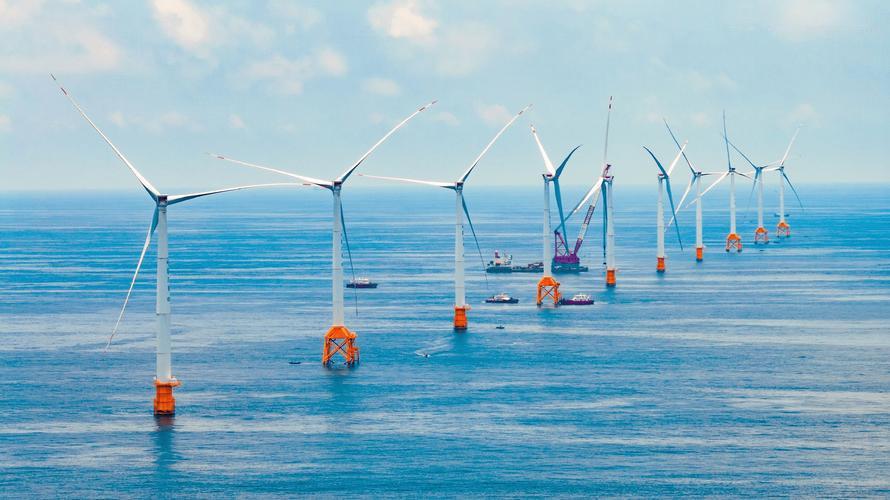
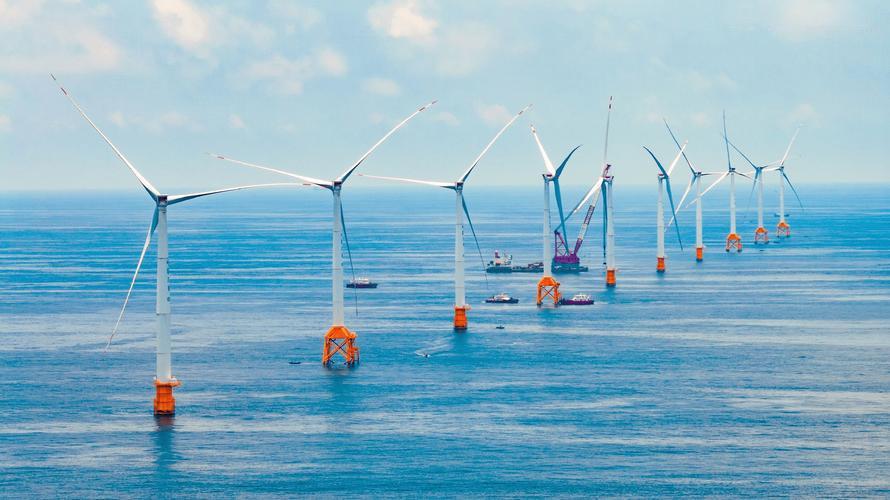
Project Background
Offshore renewable energy installations—including tidal turbines, subsea cable terminations, and floating wind platforms—operate in some of the most demanding electrical environments. Continuous exposure to humidity, salt spray, and pressure cycles places severe stress on every interconnection point. A failure in a power or data connector can halt generation, complicate maintenance, and increase operational costs. This case outlines the connector requirements and verified solutions for such marine energy systems.
Interface and Environmental Requirements
The primary engineering challenge is maintaining a stable electrical connection while submerged or exposed to salt-laden air. The connectors must meet the following verified criteria:
-
IP68 waterproof rating for continuous submersion protection, preventing ingress of seawater and moisture.
-
Salt-spray resistance to withstand corrosive marine atmospheres over extended service intervals.
-
Precision sealing to maintain mating integrity under pressure variations and vibration.
-
Corrosion-resistant materials for housing, contacts, and locking mechanisms.
-
Lightweight construction to reduce load on floating structures and subsea equipment without compromising mechanical strength.
Connector Solution
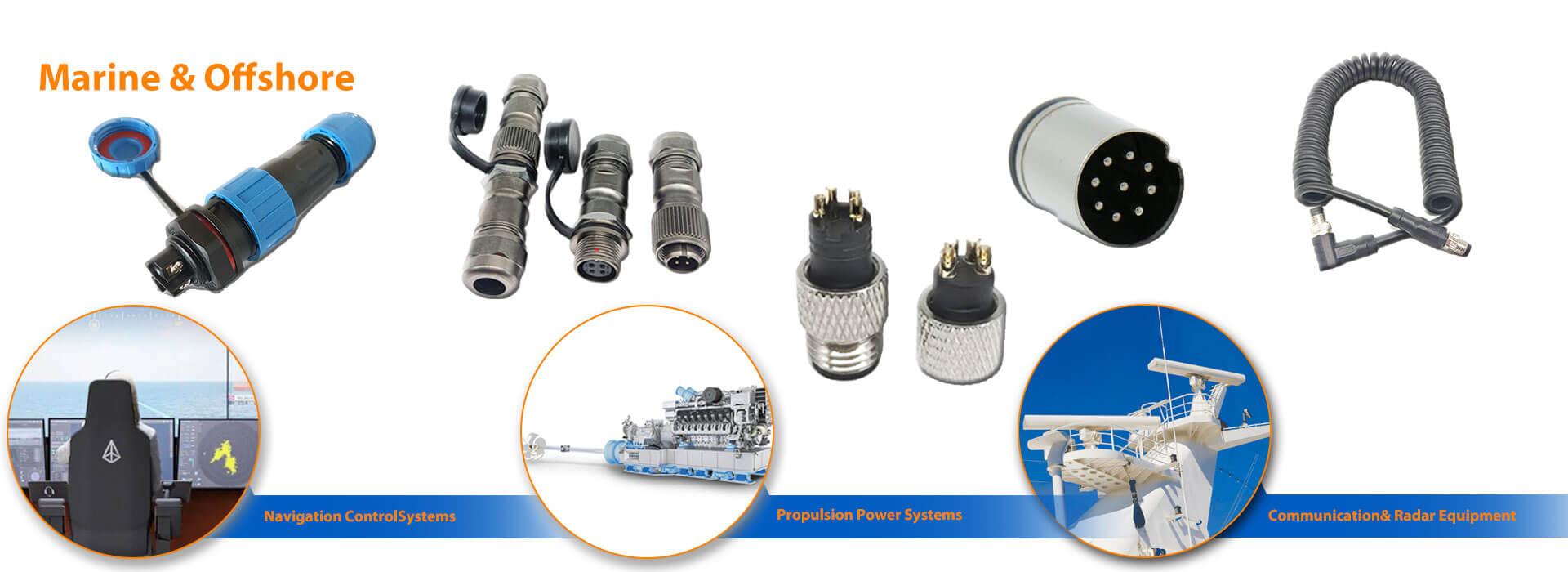
The selected connector series is engineered specifically for marine and offshore applications. Its sealing system achieves the required IP68 performance, while the contact plating and housing alloy provide verified salt-spray resistance. The design supports both power and data transmission, enabling integration into turbine control systems, subsea sensor networks, and platform monitoring equipment. The lightweight yet rigid housing reduces overall system weight, contributing to easier handling during installation and maintenance.
Verification and Delivery Process
Before deployment, each connector configuration was validated against the project's electrical load, cable range, and mating cycle requirements. Sample assemblies were tested for waterproof integrity and corrosion resistance under simulated marine conditions. After configuration confirmation, the production units were delivered with documented test results, supporting traceability for the installation team. On-site commissioning confirmed proper mating and sealing performance under real operating conditions.
Verified Results
The installed connectors have demonstrated reliable electrical continuity and waterproof performance in the offshore environment. The corrosion-resistant construction has maintained mechanical integrity, and the lightweight design has simplified handling during installation and routine inspection. These results confirm the connector series meets the stated IP68 and salt-spray requirements for marine renewable energy applications.
For related interconnection needs in harsh environments, review the Aviation Plug Connectors series or consult the SP13 Waterproof Connector for Wind Turbine Monitoring in Spain case study. To discuss your specific offshore project requirements, please use the inquiry form or contact us via WhatsApp for direct engineering support.




 Tel: +8619924482730
 Email: info@kmydconnector.com
 MP/WhatsApp: +8619924482730
 Manufacturer Address:Baoan District, Shenzhen City, Guangdong Province,China