SD20/SP20 Flange Connector Size and Material Options
Deep-Sea Exploration: High-Pressure Connector Requirements
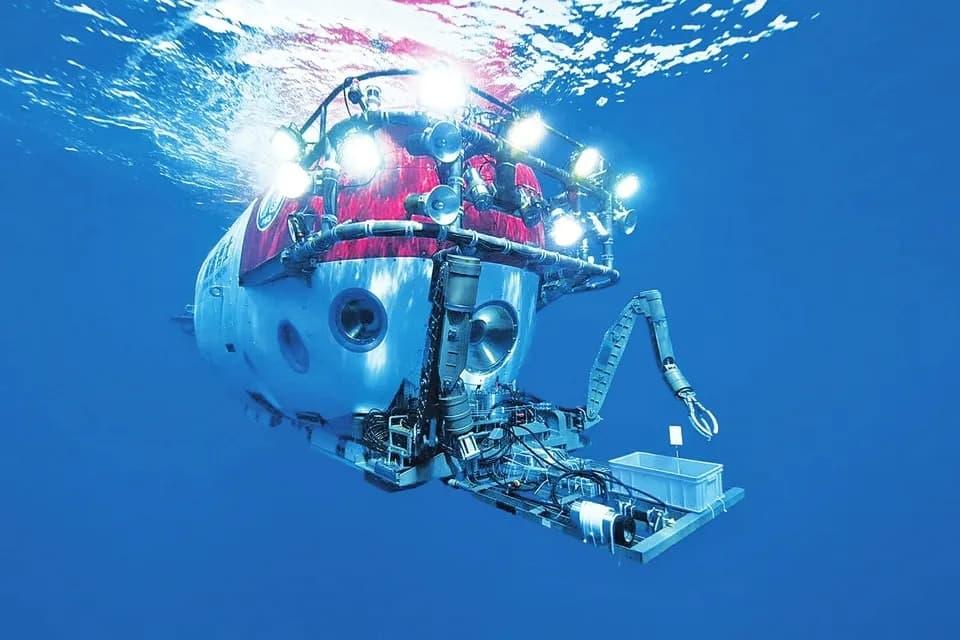
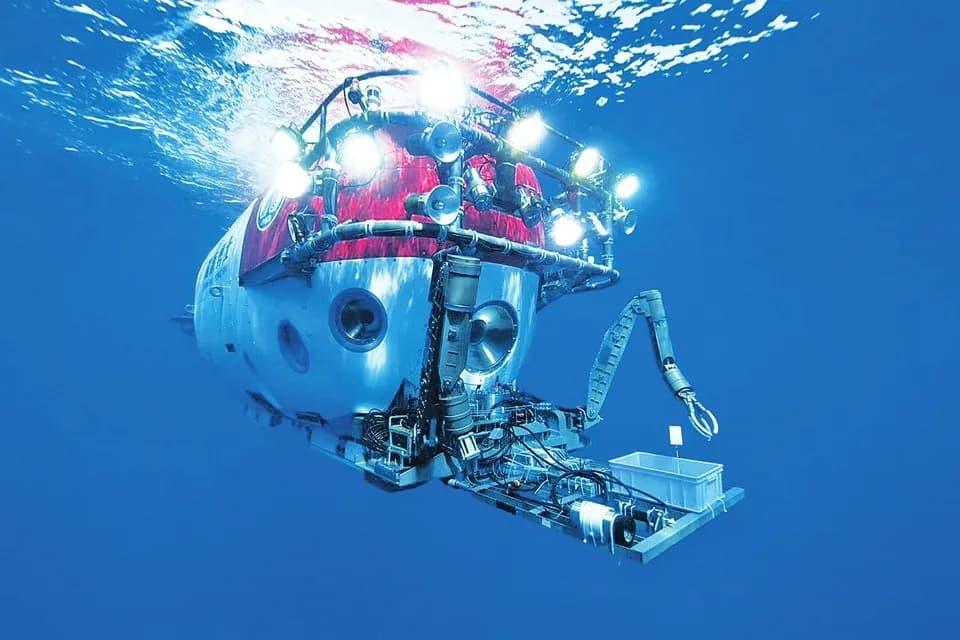
In extreme deep-sea environments characterized by high pressure, low temperatures, and strong corrosion, connectors play a critical role in ensuring the reliable operation of marine explorers, Remotely Operated Vehicles (ROVs), and Autonomous Underwater Vehicles (AUVs). These connectors must withstand immense hydrostatic pressure while preventing seawater from infiltrating and damaging internal circuitry.
Project Background and Operating Conditions
Deep-sea exploration systems operate at depths where hydrostatic pressure can exceed several hundred bar, with ambient temperatures near freezing and continuous exposure to corrosive seawater. The electrical interface between subsea instruments, thrusters, cameras, and surface control units must remain sealed and stable over long deployment cycles. Any connector failure at depth risks data loss, equipment damage, or mission abort.
Interface and Environmental Requirements
The primary engineering challenge is maintaining a watertight seal under extreme pressure cycling while preserving signal integrity and power delivery. Key parameters for connector selection in this application include:
- Pressure rating matched to the maximum operating depth, with a safety margin for dynamic loads
- IP68 or higher ingress protection to prevent seawater intrusion during submersion and recovery
- Corrosion-resistant shell materials, typically marine-grade stainless steel or anodized aluminum
- Contact plating suitable for low-signal integrity loss and high mating-cycle durability
- Cable strain relief and overmolding to withstand flexing during ROV/AUV maneuvering
Connector Solution and Configuration
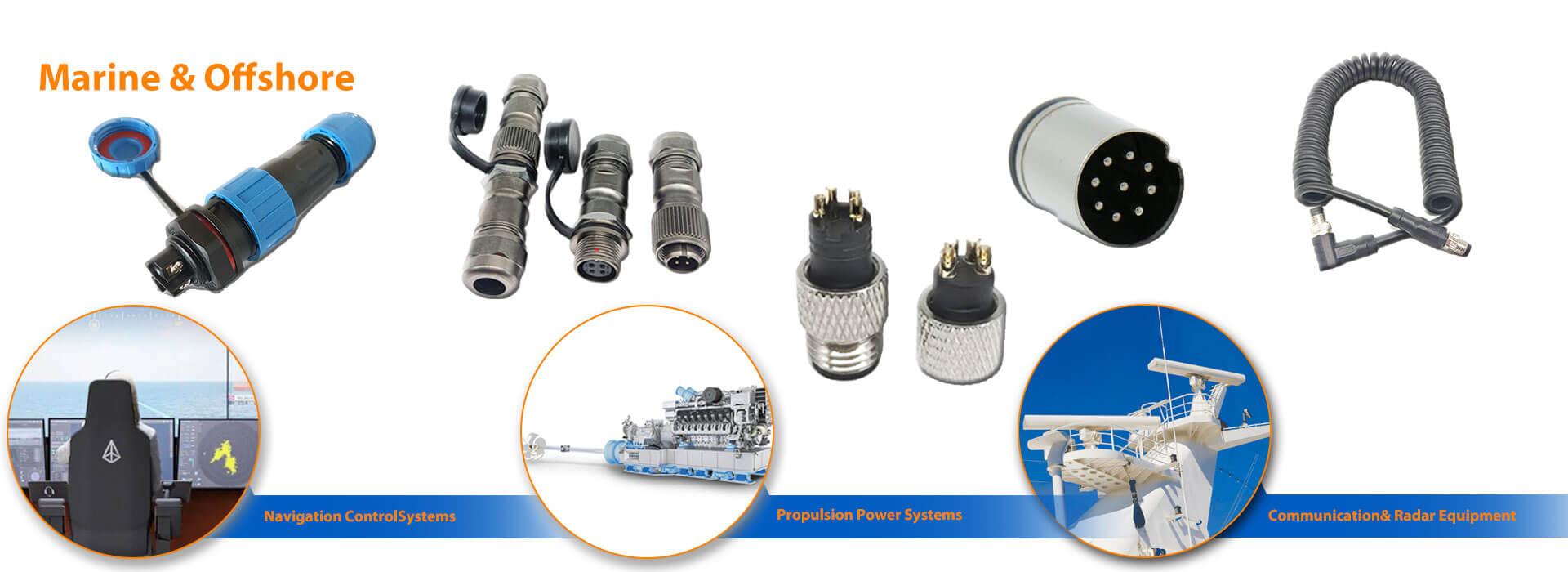
For deep-sea exploration platforms, circular connectors with multi-pin configurations are commonly specified to combine power and signal lines in a single mating interface. The connector series must be selected based on the actual pin count, current rating, and cable diameter used by the subsea equipment. Panel-mount receptacles on pressure housings and cable-mount plugs on wet-mate or dry-mate connections require precise dimensional matching to maintain the seal.
When the exact connector series, pin count, or cable range for a specific ROV or AUV model is not disclosed by the equipment manufacturer, the selection should be verified against the original wiring diagram and housing penetration specification before ordering. Mating compatibility cannot be inferred from a similar appearance or series name.
Verification and Delivery Process
Before deployment, the connector assembly should be validated through pressure testing in a hyperbaric chamber, insulation resistance measurement, and continuity checks across all contacts. Sample drawings and configuration confirmations are recommended to ensure the shell size, keying, and contact arrangement match the subsea housing. On-site commissioning includes visual inspection of the mating surfaces, torque verification of the coupling nut, and a final leak check after installation.
For related connector options suitable for harsh marine environments, review the Aviation Plug Connectors series or consult the Autonomous Underwater Vehicle application notes for additional guidance on subsea interface selection.
Result and Operational Evidence
Successful deployment depends on documented evidence from pressure testing, mating trials, and field operation logs. If test reports or installation photos are available, they should be retained as part of the project record. For new deep-sea exploration builds, confirm the electrical load, environmental rating, and cable entry method with the equipment integrator before finalizing the connector configuration.
For further assistance with connector selection, pressure ratings, or custom cable assemblies, please use the inquiry form or contact our engineering team directly.




 Tel: +8619924482730
 Email: info@kmydconnector.com
 MP/WhatsApp: +8619924482730
 Manufacturer Address:Baoan District, Shenzhen City, Guangdong Province,China