SF Series Aviation Connectors Specifications and Performance Data
Ocean-Monitoring Buoys: Reliable Ethernet Connectivity for Marine Data Networks
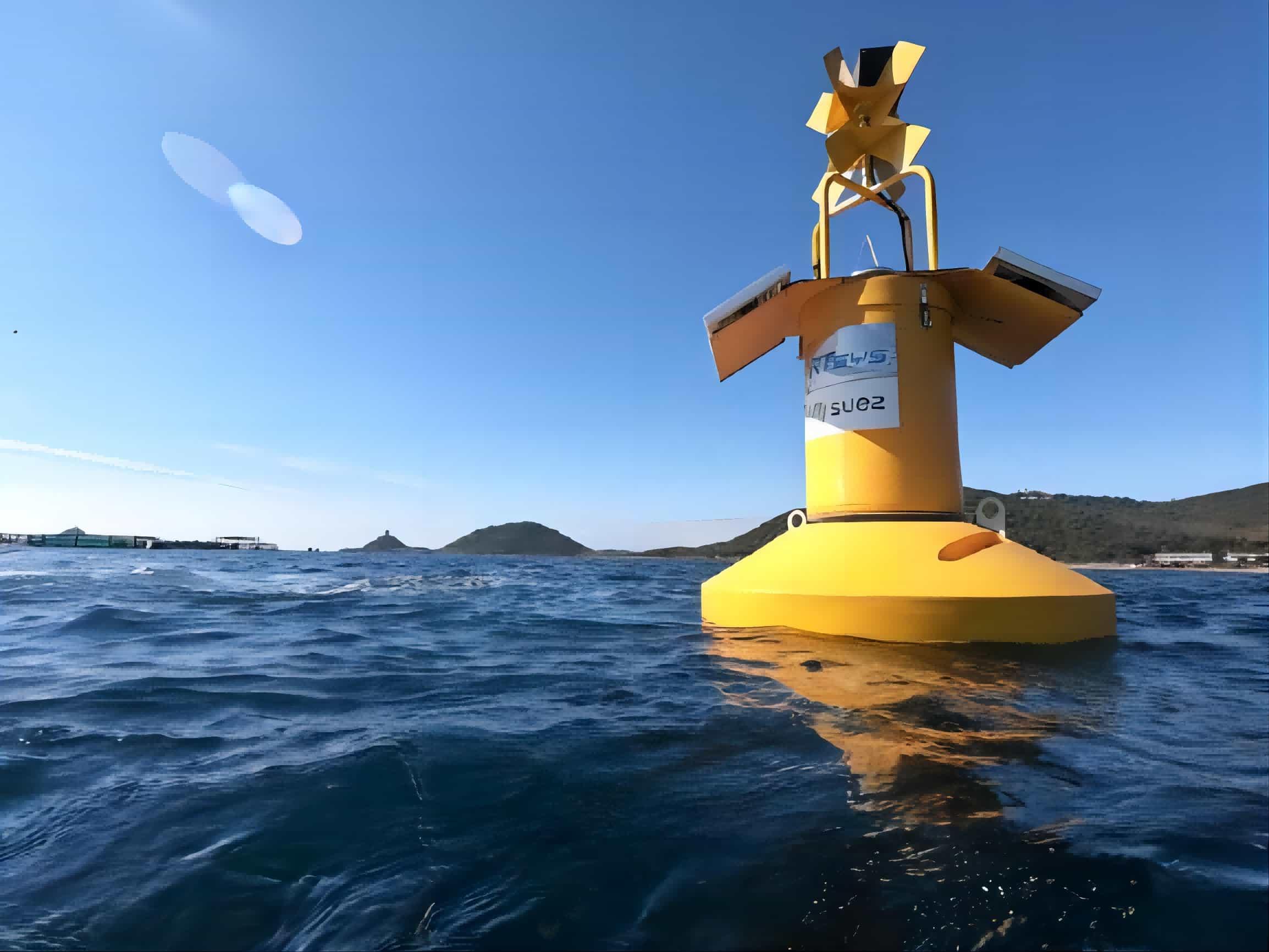
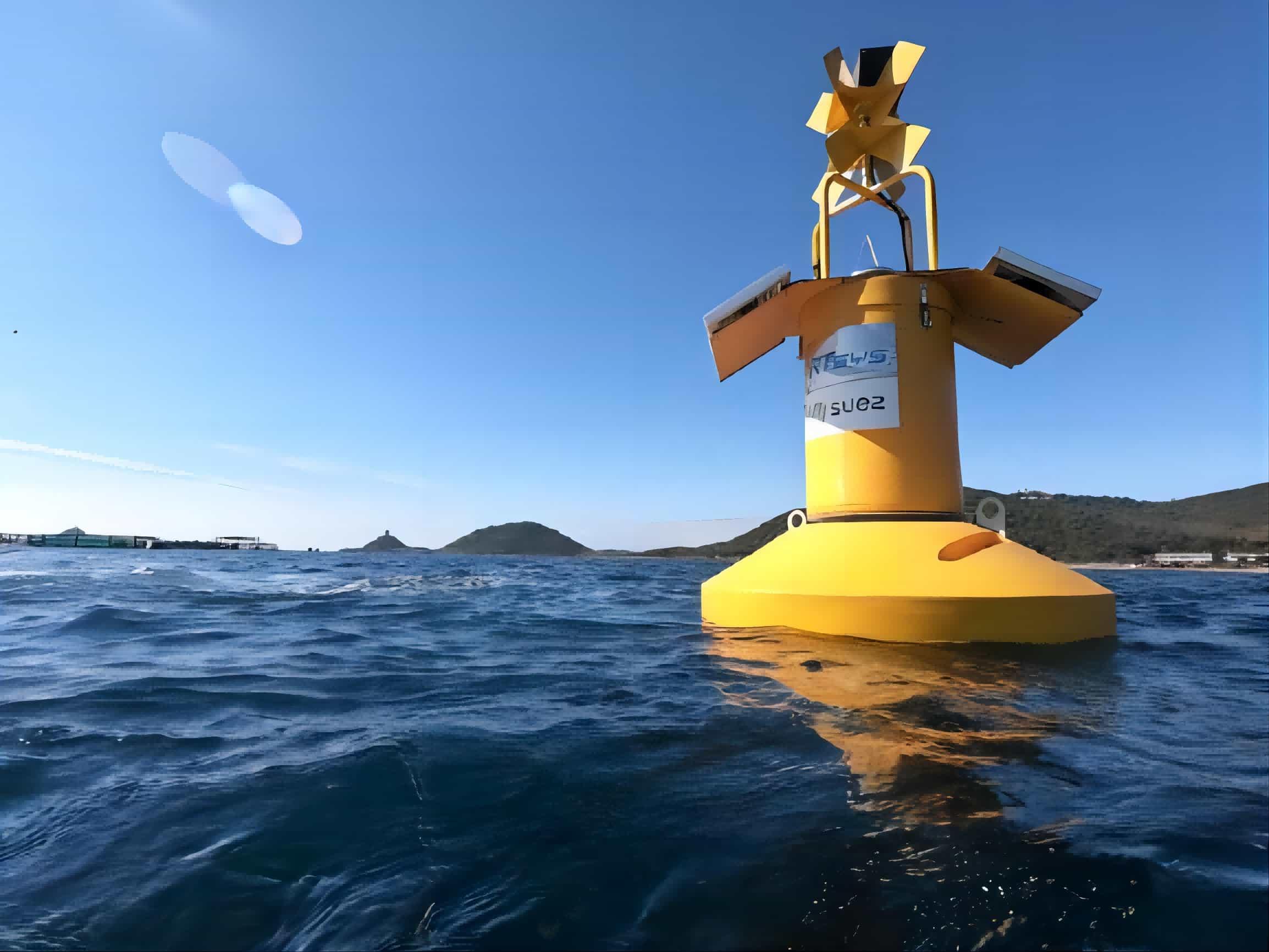
Floating buoys are autonomous devices anchored in marine environments to collect real-time oceanographic and meteorological data, including temperature, salinity, wave height, and atmospheric pressure. These monitoring platforms form the backbone of coastal observation networks across Europe, transmitting critical sensor information to central control stations for environmental analysis, climate research, and maritime safety operations.
Project Background and Industry Context
European marine monitoring programs deploy networks of instrumented buoys to track ocean conditions continuously. Each buoy integrates multiple sensors—conductivity-temperature-depth probes, wave sensors, and weather stations—that generate substantial data streams requiring reliable, high-bandwidth transmission. The harsh offshore environment, characterized by saltwater exposure, UV radiation, temperature extremes, and constant mechanical stress from wave action, demands connectivity solutions engineered for long-term durability.
Interface and Environmental Requirements
The buoy's data acquisition system requires Ethernet connectivity between sensor arrays, onboard data loggers, and communication modules. Key technical requirements include:
-
Data transmission: Reliable Ethernet communication for continuous sensor data streaming
-
Environmental protection: IP68-rated sealing to withstand prolonged submersion and saltwater exposure
-
Corrosion resistance: Materials capable of enduring marine atmospheric conditions without degradation
-
Power delivery: PoE (Power over Ethernet) capability to simplify cabling by transmitting both data and power to remote sensors
-
Mechanical robustness: Vibration and shock resistance for sustained operation in dynamic wave conditions
Connector Solution and Configuration
RJ45 connectors were selected for the buoy's internal Ethernet network, providing standardized 8P8C interface compatibility with marine-grade Ethernet cabling. The connectors feature IP68 waterproof sealing and corrosion-resistant housings, ensuring stable electrical performance in saltwater environments. The PoE capability enables single-cable deployment for powered sensors, reducing installation complexity and potential failure points in the buoy's confined equipment housing.
Verification and Deployment Process
Before deployment, the connector assemblies underwent validation testing to confirm sealing integrity under simulated marine conditions, including salt spray exposure and pressure cycling. Cable assemblies were factory-terminated and tested for continuity, insulation resistance, and transmission performance. Installation procedures were documented to ensure proper mating and strain relief during buoy assembly and subsequent maintenance operations.
Validated Results and Operational Performance
The RJ45-based connectivity solution has demonstrated stable data transmission in deployed buoy systems, maintaining signal integrity for continuous environmental monitoring. The IP68-rated connectors provide reliable sealing against water ingress, while corrosion-resistant construction supports extended service intervals in demanding offshore conditions. The standardized RJ45 interface simplifies field maintenance, allowing technicians to replace or upgrade sensor modules using readily available Ethernet components.
For engineers designing similar marine monitoring systems, the selection of appropriate connector sealing, cable specification, and mating strategy should be validated against the specific deployment depth, exposure duration, and data rate requirements of the application.
Fishing boats operating in offshore and open sea areas have harsher environments. Are there cost-effective connectors that can adapt to this?
For detailed technical specifications and performance data on aviation-grade connectors suitable for demanding applications, consult the SF Series Aviation Connectors Specifications and Performance Data.
To discuss your specific buoy or marine monitoring connectivity requirements, contact our engineering team or request a consultation through the inquiry form.




 Tel: +8619924482730
 Email: info@kmydconnector.com
 MP/WhatsApp: +8619924482730
 Manufacturer Address:Baoan District, Shenzhen City, Guangdong Province,China