SF Series Aviation Connectors Specifications and Performance Data
Autonomous Underwater Vehicle (AUV) Connector Requirements
Connectors serve as critical components in underwater robotics, ensuring reliable power transmission, data communication, and signal integrity in extreme environments. They are engineered to withstand high pressure, corrosion, and temperature variations encountered during deep-sea exploration, scientific research, rescue missions, and industrial tasks like pipeline inspection, hull cleaning, or aquaculture monitoring. Robust connector solutions are fundamental to the AUV's operational endurance, safety, and performance, allowing these intelligent unmanned systems to function autonomously in hazardous underwater settings where human access is limited or impossible.
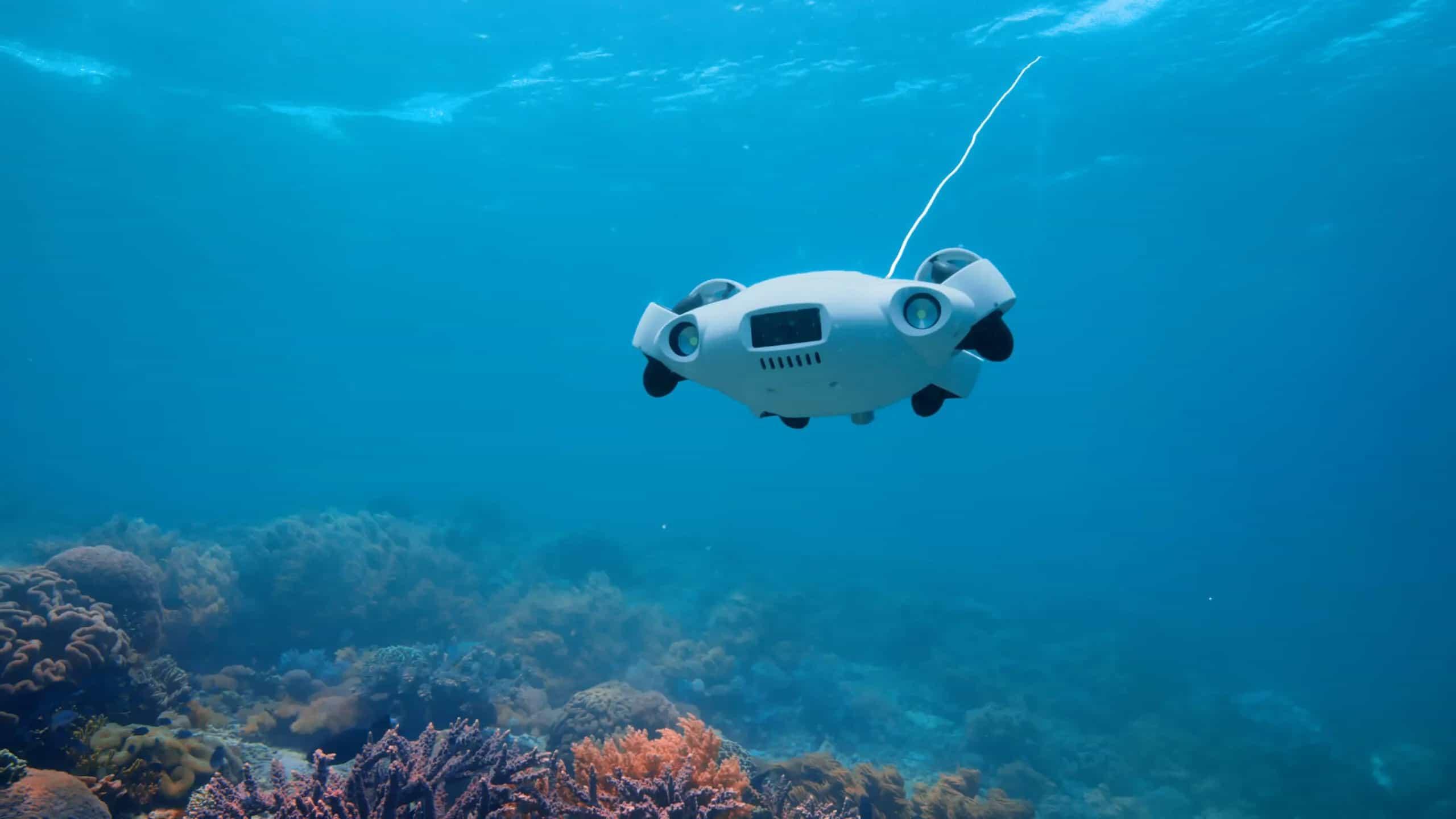
Engineering Challenges for AUV Connector Systems
Autonomous Underwater Vehicles operate in environments that impose severe demands on every electrical interface. The connector system must maintain a watertight seal at depths where hydrostatic pressure can exceed several hundred bar, while also resisting the corrosive effects of seawater and the thermal cycling between surface and deep-water operations. For engineers and procurement specialists selecting interconnect solutions for AUV platforms, the following parameters are decisive:
-
Pressure rating and sealing integrity: The connector must maintain its IP rating and dielectric strength under continuous hydrostatic pressure, not just in static laboratory conditions.
-
Contact configuration and signal integrity: Mixed layouts carrying power and high-speed data require controlled impedance, shielding, and reliable mating cycles for repeated launch and recovery operations.
-
Material compatibility: Housing, O-ring, and plating materials must resist galvanic corrosion and biofouling over extended deployment periods.
-
Cable termination and strain relief: The interface between cable and connector must tolerate flexing, vibration, and axial loads during vehicle maneuvering and handling.
Selecting a Connector for Deep-Sea and ROV/AUV Duty
When evaluating connector options for an AUV, the mating interface and mounting style are as important as the electrical ratings. A panel-mounted bulkhead connector on the pressure hull requires a different sealing approach than an inline cable connector used in a tether or sensor pod. The pin count and contact layout must match the actual power bus, Ethernet, or serial communication channels specified by the vehicle's electronics architecture. For applications requiring high-density signal transmission in a compact form factor, the Aviation Plug Connectors range offers multiple shell sizes and contact arrangements that can be evaluated against the vehicle's wiring schedule.
For engineers working on ROV and AUV pressure-resistant interconnect systems, a detailed review of material selection and sealing design is available in the technical reference Deep-Sea Connectors for ROV and AUV Pressure Resistance. This resource outlines the mechanical and environmental test criteria that should be applied when qualifying a connector for subsea service.
Verification and Qualification Considerations
Before deployment, the selected connector should be validated against the specific environmental profile of the mission. This includes pressure cycling tests, thermal shock tests, and repeated mating/unmating cycles under simulated wet-mate conditions. The cable assembly, including the termination method and any molded or field-installable backshell, must be tested as a complete system to confirm that the IP rating is achieved at the cable-to-connector junction, not just at the connector face.
If the AUV's electrical load, cable diameter, or operating depth rating is not yet fully defined, it is advisable to confirm the connector's pressure rating and contact current capacity with the manufacturer before finalizing the wiring design. For a broader selection of interconnect options suitable for harsh industrial and marine environments, the Aviation Plug Connectors catalog provides specification tables for comparison.
Next Step for Your AUV Interconnect Design
To specify a connector for your autonomous underwater vehicle, prepare the following input details: operating depth and pressure rating, number of power and signal contacts, cable outer diameter and conductor gauge, mounting style (bulkhead, inline, or PCB), and the required IP rating for both mated and unmated conditions. Submit these parameters through the inquiry form or contact our engineering team via WhatsApp to receive a configuration recommendation based on verified product data.




 Tel: +8619924482730
 Email: info@kmydconnector.com
 MP/WhatsApp: +8619924482730
 Manufacturer Address:Baoan District, Shenzhen City, Guangdong Province,China