MS5015 Connector Types, Configurations & Specifications
MIL-DTL-5015 Connectors in Robotics Assembly Lines
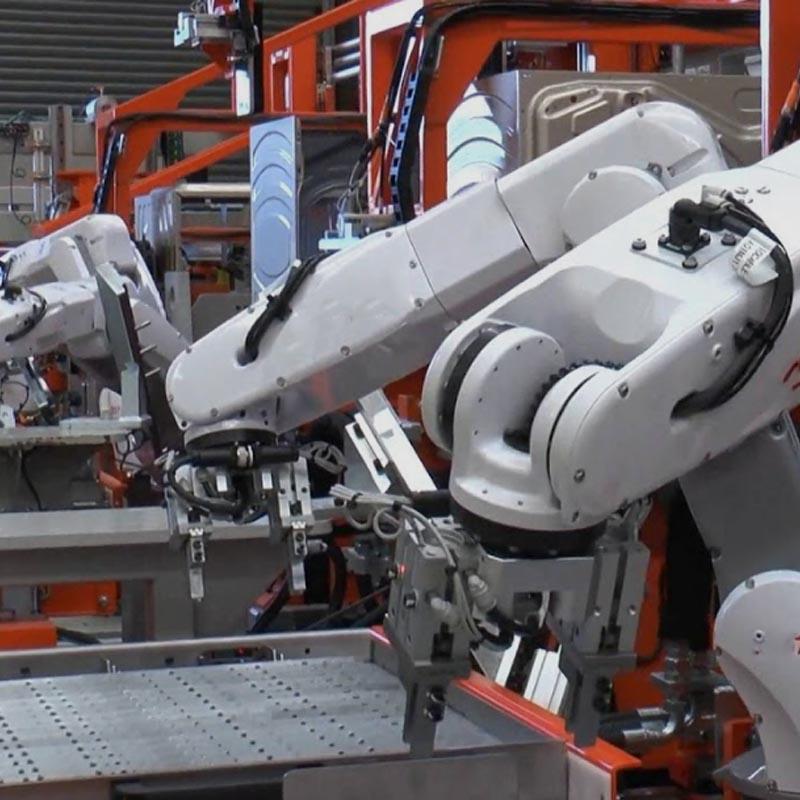
In robotics assembly lines, reliable electrical connections are essential for maintaining precise motion control, synchronized operations, and continuous production efficiency. MIL-DTL-5015 connectors are widely used to connect robotic arms, control cabinets, servo drives, and power distribution units, ensuring stable power and signal transmission throughout automated manufacturing processes.
Robotic assembly lines operate under demanding industrial conditions, including constant vibration, repetitive motion, dust, and electrical load fluctuations. MIL-DTL-5015 connectors, with rugged metal shells and secure coupling mechanisms, maintain strong and reliable connections even during high-speed robotic operations. Their high current capacity and mechanical durability make them particularly suitable for powering motors and supporting critical control signals in automated systems.
Additionally, these connectors support efficient installation and maintenance. When robotic modules or control components require servicing or replacement, MIL-DTL-5015 connectors allow quick and secure reconnection, minimizing production downtime. By providing dependable connectivity, they help enhance system stability, improve operational efficiency, and ensure reliable performance in modern robotic assembly line environments.
Project Background and Industry Context
Automotive and electronics manufacturers increasingly deploy robotic assembly lines to achieve consistent output and reduce manual intervention. In these environments, every connection point between a robotic arm, servo drive, or control cabinet must withstand continuous motion and electrical stress. MIL-DTL-5015 connectors are specified for such applications because they provide a proven interface for power and signal distribution in industrial automation.
Electrical and Mechanical Requirements
Robotic assembly equipment typically requires connectors that can handle motor currents, control voltages, and feedback signals within a single rugged interface. MIL-DTL-5015 connectors offer multiple contact arrangements and shell sizes, allowing engineers to match pin counts and current ratings to the specific servo drive or power distribution unit. The threaded coupling mechanism resists loosening from vibration, while the metal shell protects contacts from impact and environmental contamination.
Solution and Installation Considerations
When integrating MIL-DTL-5015 connectors into a robotic assembly line, engineers must verify the mating interface, contact layout, and cable range before installation. Straight or angled plug configurations may be selected based on space constraints inside cable trays or robotic arms. Panel-mounted receptacles are commonly used on control cabinets, while cable-mounted plugs connect to motors and sensors. Proper strain relief and cable support are necessary to prevent mechanical stress on the connector during repetitive robotic motion.
Commissioning and Maintenance Process
During commissioning, each connector should be checked for correct keying, full mating engagement, and secure coupling. Torque requirements for the coupling ring should be followed to avoid over-tightening or under-tightening. Periodic inspection of contacts and seals helps maintain long-term reliability in dusty or humid factory environments. When a robotic module requires replacement, the connector design allows rapid disconnection and reconnection, reducing line stoppage time.
Result and Operational Benefits
Using MIL-DTL-5015 connectors in robotic assembly lines contributes to stable power delivery, reduced signal interruption, and simplified maintenance procedures. The combination of high current capacity, mechanical durability, and secure coupling supports continuous automated production. For engineers evaluating connector options, verifying the specific contact arrangement, current rating, and environmental protection against the actual application requirements is essential before selection.
For further reference on connector configurations and specifications, see MS5015 Connector Types, Configurations & Specifications. For related industrial automation applications, review GX12 Connectors for Industrial Robotics Applications.
To discuss your robotic assembly line connector requirements or request a sample, please use the inquiry form or contact our sales team via WhatsApp. Provide your application details, pin count, current rating, and environmental conditions for a tailored recommendation.




 Tel: +8619924482730
 Email: info@kmydconnector.com
 MP/WhatsApp: +8619924482730
 Manufacturer Address:Baoan District, Shenzhen City, Guangdong Province,China