GOST OHS Circular Connector with Multiple Core Count Options
Connectors in Electricity Generator Systems
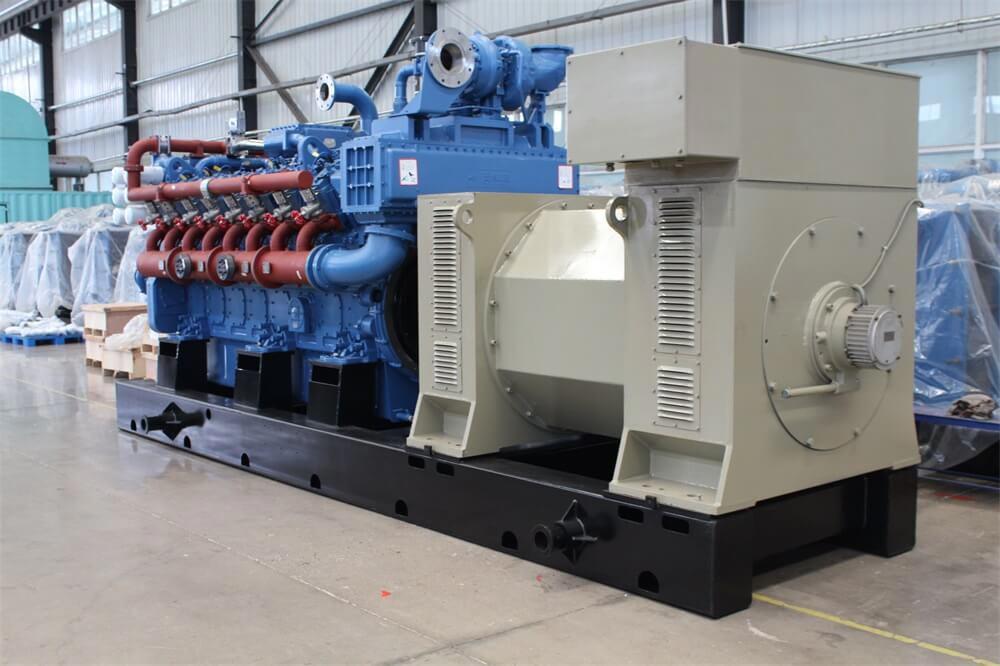
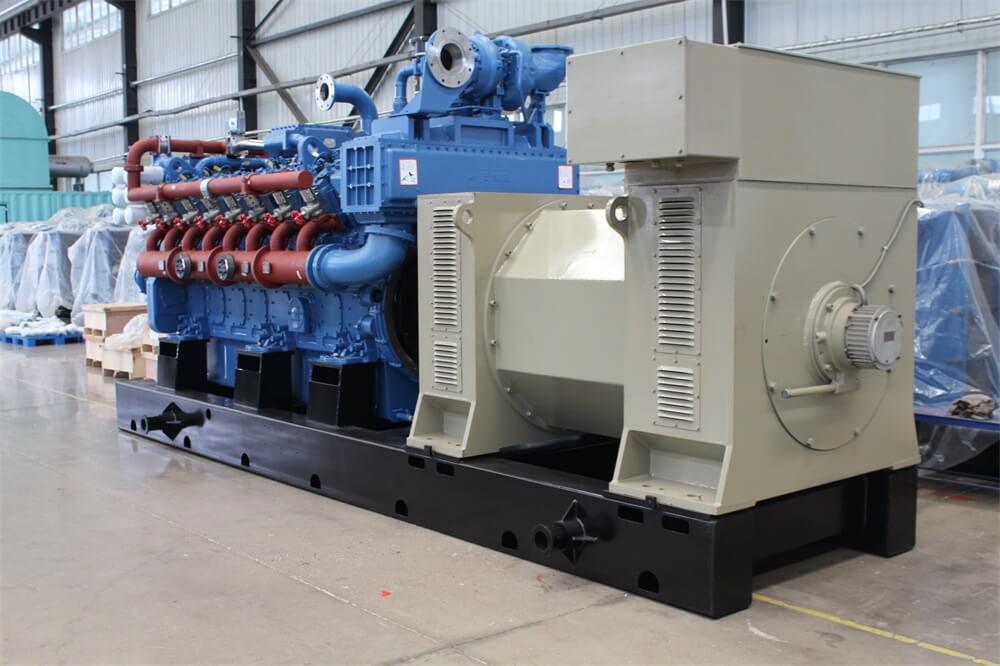
Connectors are fundamental for establishing electrical connections within the generator's internal circuits. They link different electrical components such as the stator, rotor, voltage regulators, and rectifiers. The stator and rotor are the core components responsible for generating alternating current through electromagnetic induction. Connectors ensure a secure and low-resistance electrical path between these components, enabling the smooth flow of electrical current. This is essential for the generator to produce a stable and consistent output voltage and current.
Key Connection Points in Generator Systems
In a typical electricity generator, connectors serve several critical functions:
-
Stator and rotor connections: Secure low-resistance paths for the electromagnetic induction circuit.
-
Voltage regulator links: Reliable signal and power transfer for output control.
-
Rectifier interfaces: Durable connections that handle the electrical load and thermal stress of AC-to-DC conversion.
Selecting Connectors for Generator Applications
When choosing connectors for generator internal wiring, engineers should evaluate the following parameters:
-
Current rating: Must match the continuous and peak load of the connected circuit.
-
Contact resistance: Low and stable values are required to minimize heat generation and voltage drop.
-
Temperature range: The connector must withstand the operating environment near the engine and electrical components.
-
Vibration resistance: Mechanical locking or secure mating is necessary to prevent loosening during operation.
-
Insulation and dielectric strength: Must be adequate for the generator's voltage class.
Application Boundaries
Connectors for generator internals are not interchangeable with general-purpose signal connectors. The mating interface, pin count, contact layout, and mounting style must be verified against the generator's wiring diagram. For high-vibration or high-temperature environments, additional strain relief and heat-resistant materials may be required. If the generator is exposed to moisture or dust, an IP-rated connector should be considered, but note that waterproof performance is only guaranteed when the connector is properly mated.
Related Resources
For engineers working on generator control and power circuits, the following resources may be useful:
Inquiry Checklist
To receive an accurate connector recommendation for your generator project, please prepare the following information:
- Generator output voltage and current ratings.
- Number of circuits and pin count required.
- Ambient temperature range and exposure to vibration, moisture, or chemicals.
- Cable type and conductor cross-section.
- Preferred mounting style (panel, cable, or PCB) and mating frequency.
Contact our engineering team with these details to confirm the correct connector configuration for your application.




 Tel: +8619924482730
 Email: info@kmydconnector.com
 MP/WhatsApp: +8619924482730
 Manufacturer Address:Baoan District, Shenzhen City, Guangdong Province,China