

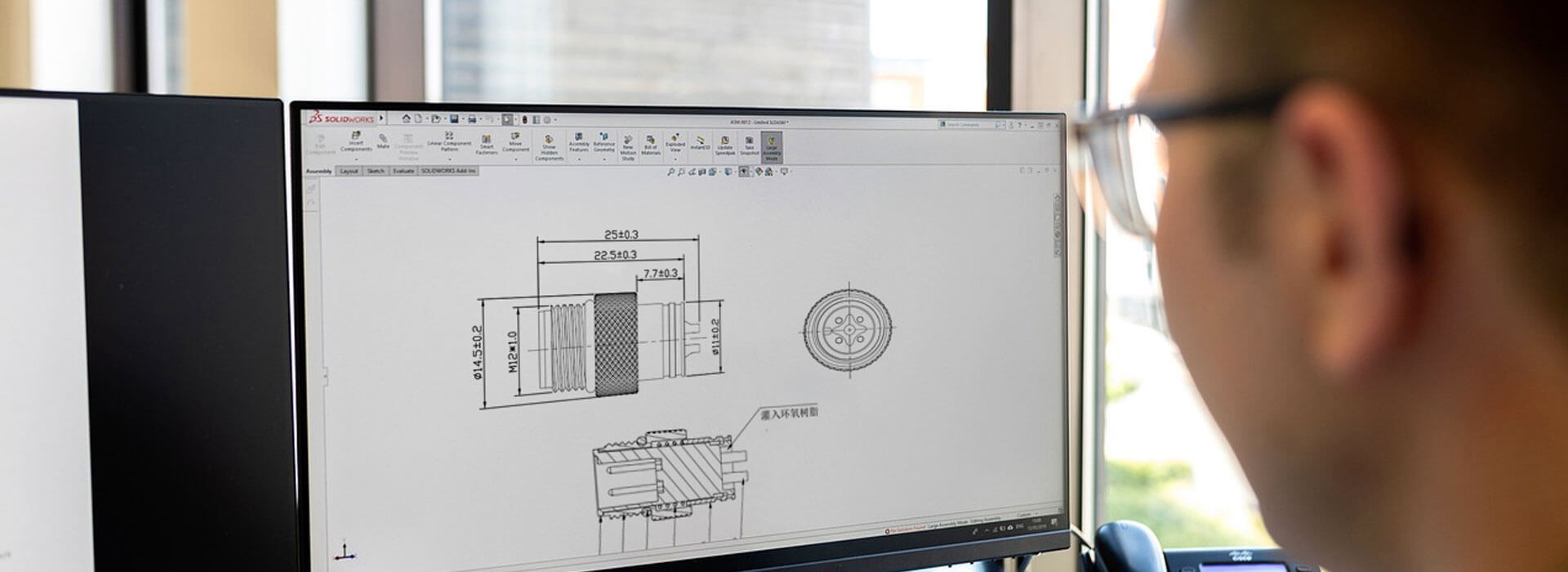
An M16 coupling that resists from the first turn should not be declared sealed because it feels tight. Misalignment, mismatched parts, contamination or thread damage can all interrupt engagement. Stop the operation, isolate the equipment and preserve the observed condition for inspection against the exact connector instruction. Increasing force does not identify the cause.
When did the resistance begin?
“The connector is tight” compresses several different observations into one sentence. Did the collar refuse to start? Did it advance at an angle? Did it turn normally before reaching the prescribed final position? Did the entire cable body rotate? Record the event in that order rather than jumping directly to “bad seal” or “wrong connector.”
Thread engagement and sealing are related parts of an assembly, but they are not the same observation. A jammed collar can feel secure without the intended mating surfaces reaching their specified position. Conversely, some correctly assembled designs include resistance associated with their intended sealing or locking arrangement. The approved instruction, not an assumed feel shared across all M16 parts, is the reference.
Keep the symptom separate from the explanation
| Observed behavior | What it does not prove | Useful evidence |
|---|---|---|
| Resistance at the start | That a seal has compressed correctly. | Both part identifiers, alignment and visible thread condition. |
| Collar appears tilted | That additional tightening will straighten the assembly. | A side view of the undisturbed condition and any visible gap. |
| Abrupt stop after partial travel | That the designed final position has been reached. | Instruction showing expected engagement and the point where travel stopped. |
| Body or cable turns | That only the coupling collar is being operated. | Which part moved, its support and the installed cable approach. |
These are investigation prompts, not a chart assigning a fault from a photograph. More than one cause can produce similar behavior. A tilted start may already have damaged the parts, and subsequently finding the correct alignment does not erase that history.
Keep the original observation separate from anything seen after disassembly. Mark whether a photograph shows the first attempted connection or a later inspection state. That distinction helps a reviewer understand whether a visible mark preceded the attempt, appeared during it or has an unknown history.
Amphenol CIT's handling guidance for precision threaded cable connectors emphasizes inspecting for deformed threads and rough movement, and aligning the connector centerlines before mating. Those broad principles explain why a tight start deserves attention. That guidance concerns other connector designs; its tools, cleaning methods and assembly values are not an M16 service procedure.
Inspect an isolated pair without manufacturing a new fault
The responsible technician should follow the equipment's isolation procedure before touching a suspect connection. Preserve photographs and part identification before changing the condition. If the assembly cannot be separated normally under its approved instruction, escalate it instead of using greater leverage to force it apart.
Once safely available for inspection, examine accessible threads, the coupling collar and the mating features for obvious contamination, burrs, deformation or damage. Do not use a sound production port as a trial fixture for a visibly suspect connector: that can spread damage to the counterpart. Record uncertainty when a surface cannot be seen clearly.
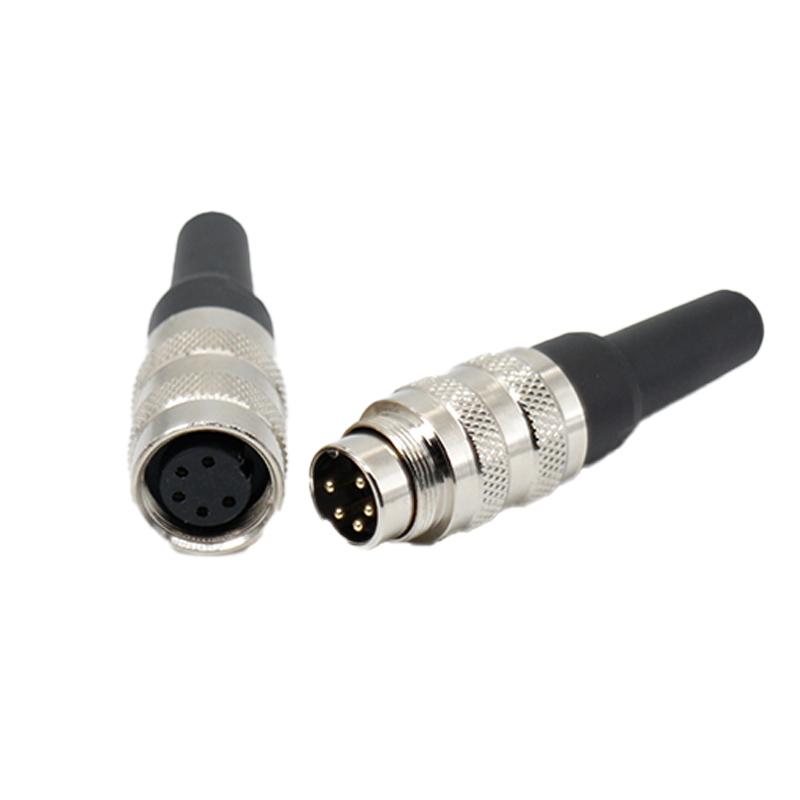
A drawing check belongs beside the physical inspection. Confirm the offered mating components rather than relying on the M16 name alone. A plausible thread start does not demonstrate that the contact insert and the rest of the interface form an approved pair. Keep this check focused on the suspect engagement; replacing a component with a merely similar-looking one introduces another unknown.

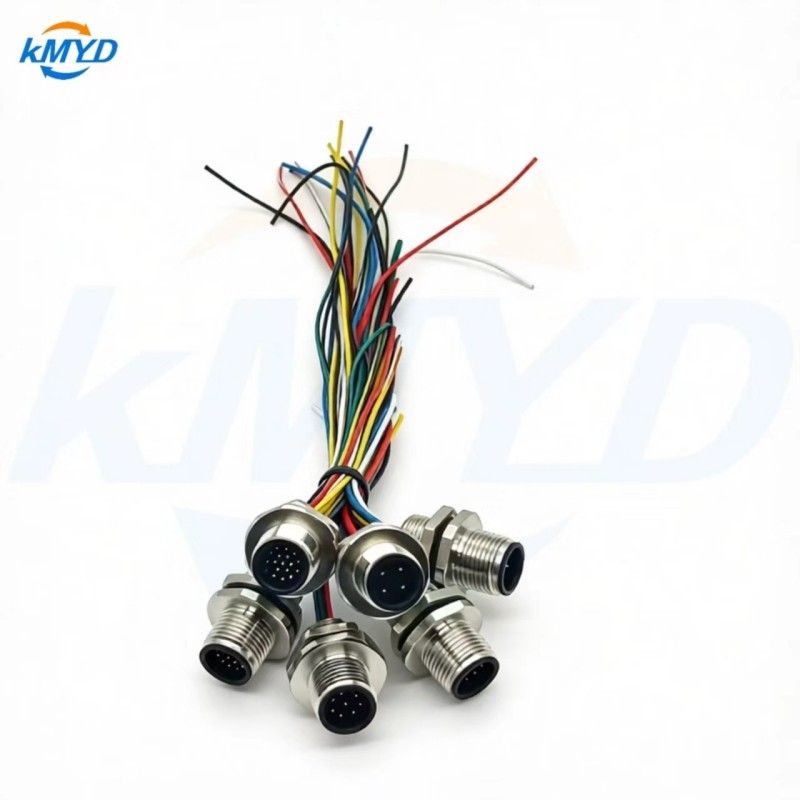
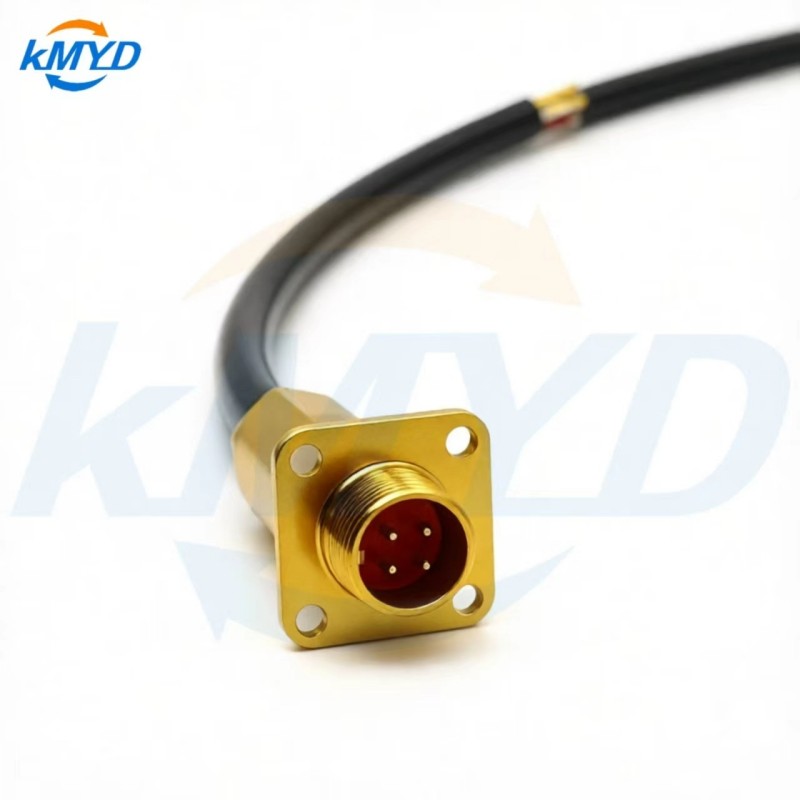
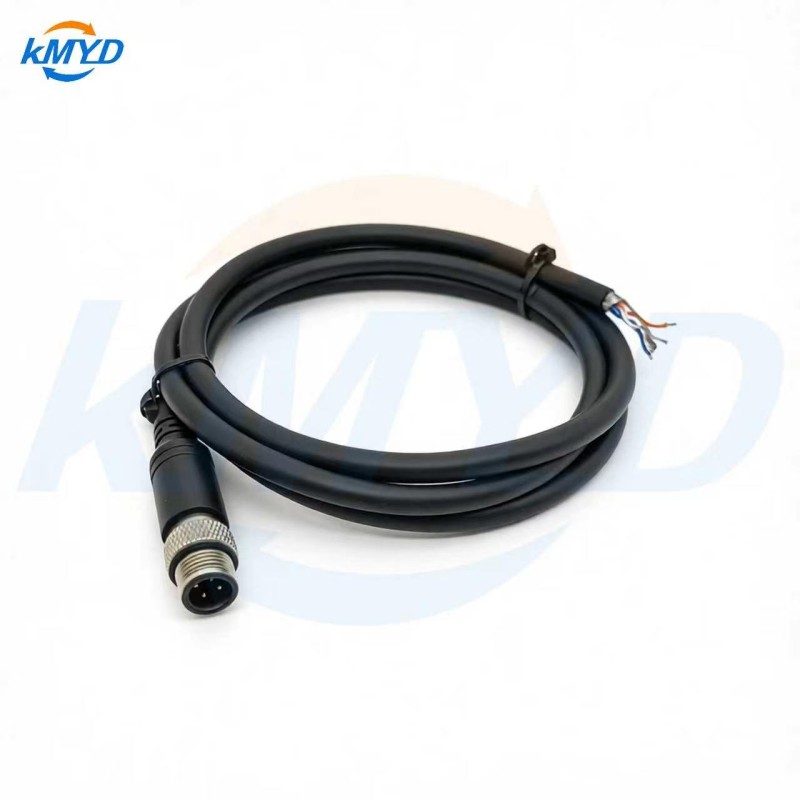
The KMYD M16 screw connector listing and related M16 option can help identify the intended configuration in an inquiry. They do not authorize repairing a damaged thread, selecting a lubricant or changing the closing method.
Close the investigation with a disposition
A useful fault record contains the two part numbers, the operation attempted, where resistance began, visible condition, photographs and the controlling instruction. Add whether the suspect pair has been kept out of use. This gives the supplier something more specific to review than “does not screw in.”
Ask for a written disposition covering both halves: permitted inspection, replacement if necessary, and the approved conditions for returning the connection to service. Do not chase threads, remove material, add sealant or introduce lubrication without an explicit applicable procedure. The next decision is whether this pair is fit for the specified assembly, not whether enough force can make the collar advance.




 Tel: +8619924482730
 Email: info@kmydconnector.com
 MP/WhatsApp: +8619924482730
 Manufacturer Address:Baoan District, Shenzhen City, Guangdong Province,China