

A pressure-wash requirement for waterproof connectors should describe the jet that can reach the installed connection, the assembly's condition during cleaning and the method used to verify protection. Record the nozzle, pressure and flow basis, water temperature, approach distance, directions and exposure pattern. Do not treat an immersion claim as approval for pressure washing. Agree the applicable standard and any application-specific conditions before choosing a connector or asking for a test.
Start at the cleaning position
Picture a machine with a connector behind a guard. During production, the guard shields it from spray. During cleaning, the guard is removed and the operator can aim a lance directly at the cable entry. A requirement based only on the normal operating photograph would miss the exposure that matters.
Walk through the intended cleaning process with the equipment owner. Mark where the operator stands, which covers are opened and which connector surfaces lie in the spray path. Distinguish a direct jet from overspray or water draining from another surface. These observations help define the requirement; they do not establish that any of those exposures is already acceptable.
Include access from more than one side. A connector can be sheltered from a front approach while its rear entry remains reachable from below. If protection depends on a permanent shield or restricted cleaning direction, make that dependency part of the installation and maintenance definition.
A pressure number does not describe the whole jet
The pressure shown on a washer specification leaves other conditions open. Identify the equipment and nozzle used, and state where the quoted pressure applies. Keep the associated flow information with it. A supplier should not have to guess whether a number describes a pump setting, a nozzle condition or a measurement made somewhere else.
Record the closest approach permitted by the cleaning procedure and the directions from which the nozzle can reach the connection. Describe whether the operator sweeps past the connector, pauses beside it or repeatedly returns to the same area. Include water temperature at the relevant point in the process rather than assuming a cold rinse and a hot wash are the same exposure.
| Input | Information to preserve |
|---|---|
| Washer and nozzle | Equipment identity, nozzle type and the pressure/flow conditions associated with that setup. |
| Approach | Permitted standoff, reachable directions and any fixed shield that limits direct access. |
| Temperature | The water condition reaching the connection and any relevant transition during cleaning. |
| Exposure pattern | Sweeping or stationary application, local dwell, repeated passes and cleaning frequency. |
| Machine configuration | Removed guards, connected interfaces, fitted closures and exposed rear or panel surfaces. |
For context, ifm's published washdown material describes a pressure-cleaning test through several variables, including approach geometry, hot water and timed application. This illustrates why the conditions belong together. Its test settings and product approvals are not specifications for a KMYD connector or instructions for cleaning your equipment.
Name the verification method without shortening away its meaning
Keep the required protection designation beside the standard and edition that define it. IEC 60529 addresses protection provided by electrical enclosures. ISO 20653 addresses enclosure protection for electrical equipment in road vehicles. Their stated scopes are a reason to identify the governing document, not to interchange code wording on a purchasing form.
Ask the responsible engineer or test facility which method addresses the required exposure. Preserve any suffix in the designation supplied with that method. A catalog heading such as “washdown” or “IP69K” should lead to an identified requirement and its conditions, rather than become an unsupported claim of resistance to every pressure washer.
If the actual cleaning procedure differs from the chosen standard test, record that difference before commissioning the work. The project may need a standard classification, an additional application evaluation, or both. A tailored demonstration should be described by the exposure it applies; it should not receive a standard classification merely because it also uses a water jet.

Make the state during washing unambiguous
Specify the intended mating pair, cable-entry arrangement and mounting condition for the wash zone. If the process disconnects a cable, identify the approved closure or another defined protective arrangement before that step. Evidence for a connected pair cannot silently describe a different configuration.
The same discipline applies to the panel. Identify whether the jet can reach only the connector front or also the joint around its mounting and the rear of the enclosure. A narrow component boundary may leave a larger equipment boundary unresolved. Keep those responsibilities visible when the connector supplier and machine builder are different parties.
Cleaning chemistry remains a separate material-compatibility requirement. Identify it in the overall specification, but do not infer chemical resistance from a water-jet result. Likewise, define any repeated-cycle or prior-conditioning requirement deliberately; a single stated exposure does not automatically represent the whole maintenance life.
Release a cleaning condition the site can reproduce
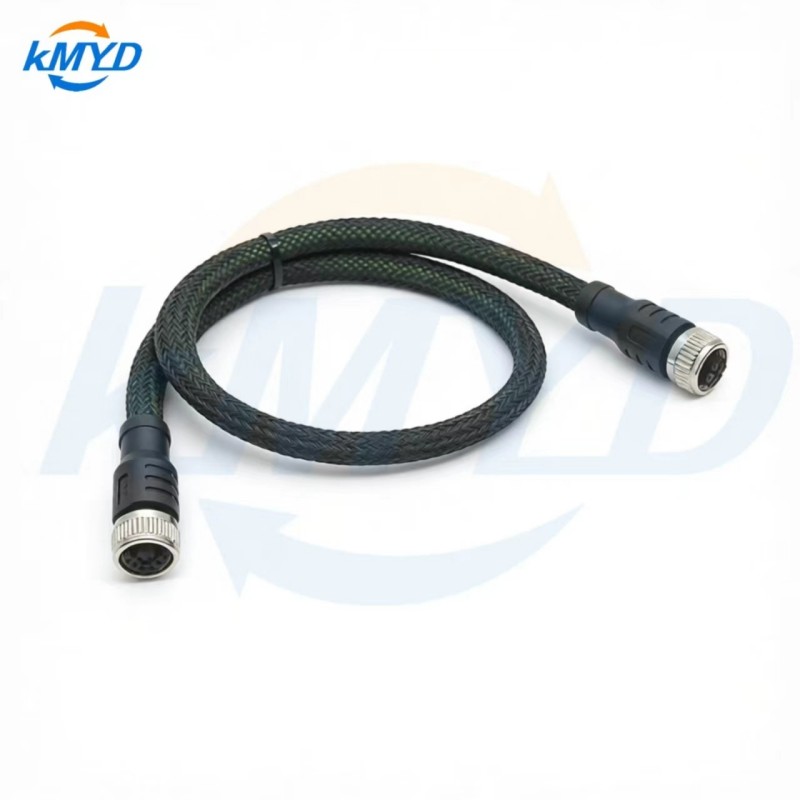
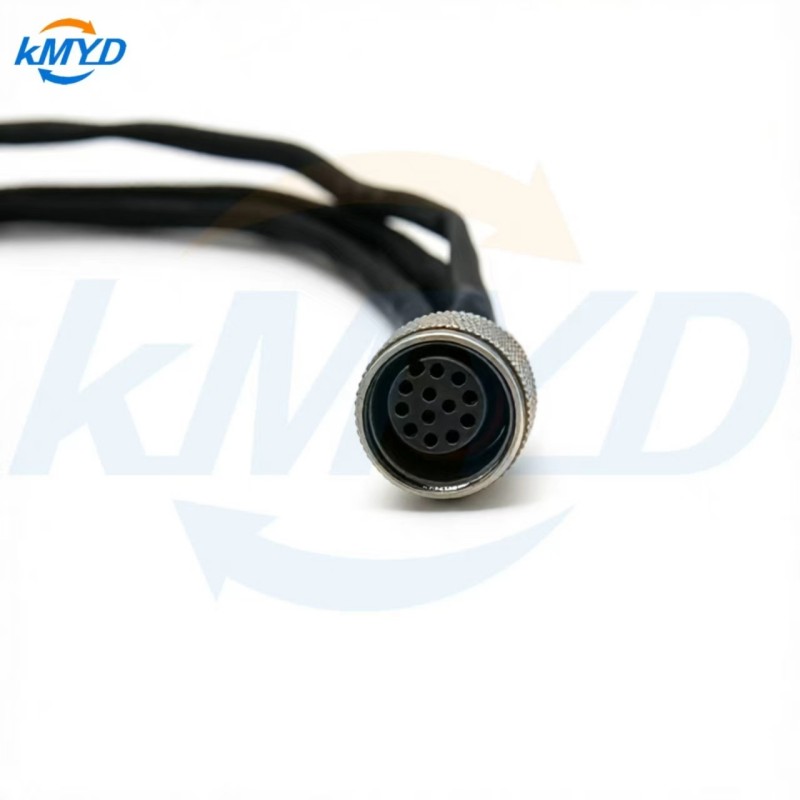
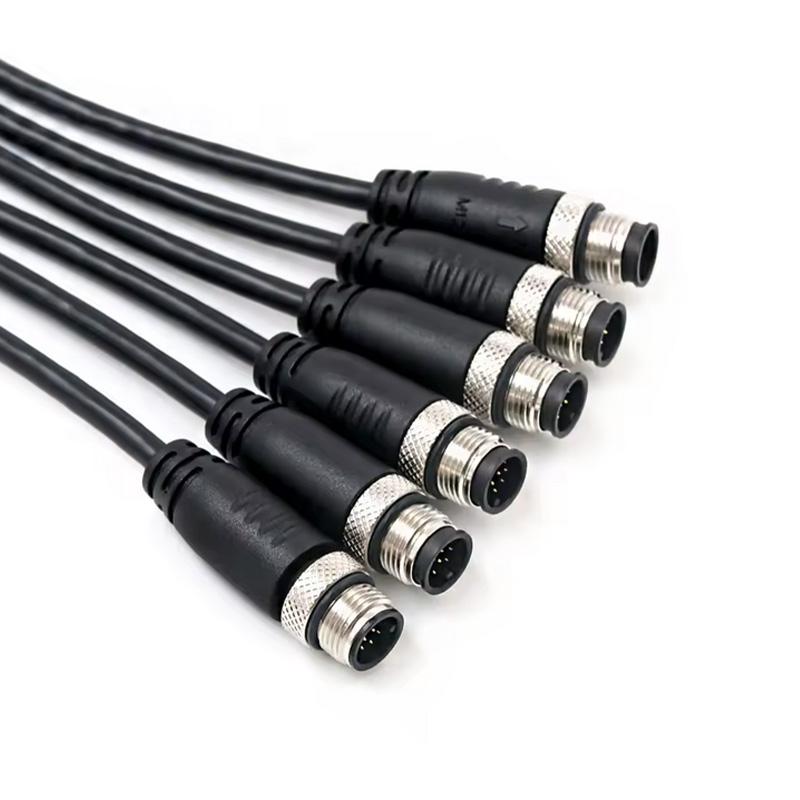
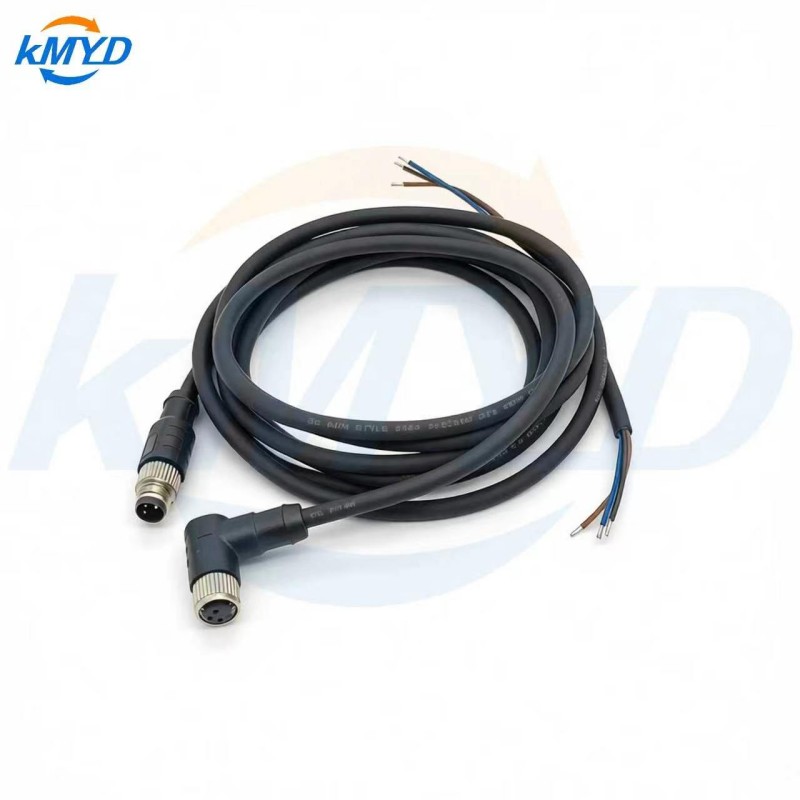
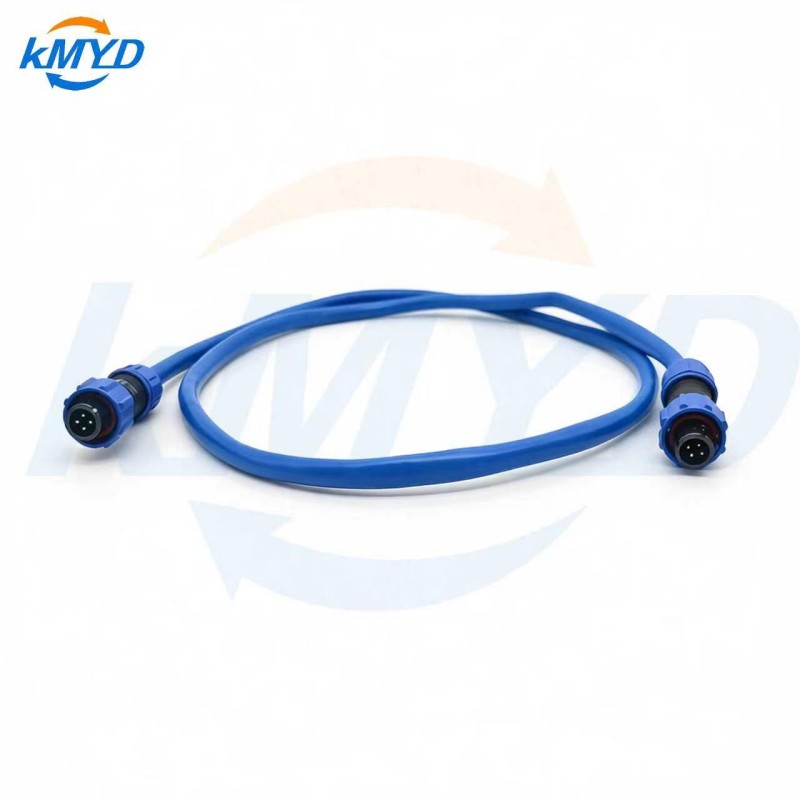
For KMYD's straight M12 assembly connector or SP-series cable assembly, send the wash-zone sketch and the completed exposure description with the inquiry. Request a supported configuration for those conditions. The linked listings establish product forms, not pressure-wash qualification.
Before the machine enters service, connect the accepted conditions to its cleaning instructions. A different nozzle, a closer approach or removal of a protective cover can change the requirement even when the connector stays the same. Make those changes a reason for engineering review, so the approved wash process remains recognizable on the shop floor.
Method context: IEC 60529 enclosure-protection scope; ISO 20653 road-vehicle scope; ifm washdown test example, printed page 11.



 Tel: +8619924482730
 Email: info@kmydconnector.com
 MP/WhatsApp: +8619924482730
 Manufacturer Address:Baoan District, Shenzhen City, Guangdong Province,China