SF Series Aviation Connectors Specifications and Performance Data
New Energy Vehicle Charging: High-Reliability Electrical Connectors for Power and Data Transfer
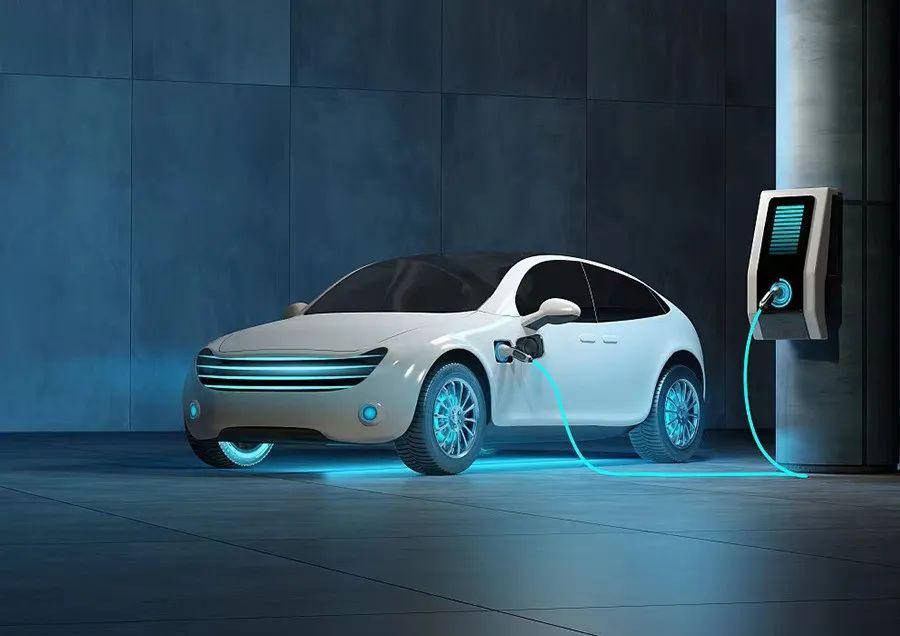
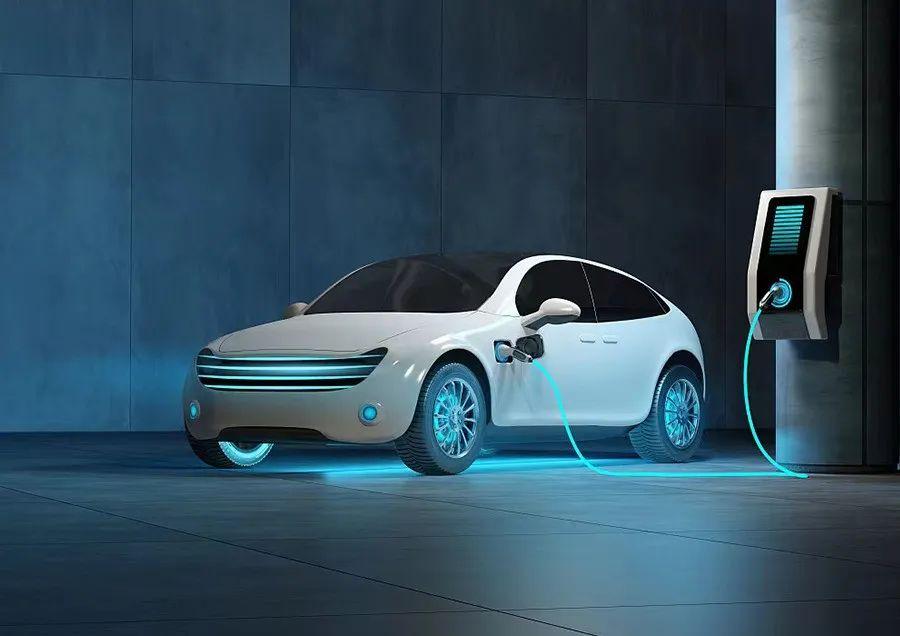
In the new energy vehicle ecosystem, electrical connectors establish a safe, reliable, and intelligent interface for power transfer and data communication during the charging process. These components are integral to multiple points in the charging chain, including the charging station, the vehicle inlet, the high-voltage on-board charger, and the battery management system.
Charging Interface and Electrical Requirements
The charging interface must handle high-voltage DC or AC power while simultaneously supporting control pilot signals and data communication between the vehicle and the charging infrastructure. Key electrical parameters include rated current, voltage rating, insulation resistance, and contact resistance, all of which must remain stable under repeated mating cycles and varying environmental conditions.
Environmental and Mechanical Demands
Connectors in this application are exposed to temperature extremes, moisture, dust, and mechanical vibration. The housing and contact materials must provide consistent performance across the operating temperature range, while the locking mechanism must prevent accidental disconnection during charging. Cable entry options and mounting styles must match the specific installation space available on the vehicle or charging station.
Connector Selection Considerations
- Confirm the charging standard and interface configuration before selecting the connector series.
- Verify the current and voltage ratings against the actual charging power level.
- Check the IP rating and temperature range against the installation environment.
- Review the mating cycle rating for the expected service life of the equipment.
- Confirm the cable diameter range and termination method for field installation.
Verification and Delivery Process
Before delivery, sample connectors should be verified against the agreed drawings and configuration. Electrical continuity, insulation resistance, and mechanical mating force should be tested. After installation, the charging system should be commissioned to confirm stable power transfer and data communication under load.
Related Resources
For engineers evaluating connector options for charging systems, the SF Series Aviation Connectors Specifications and Performance Data provides detailed technical parameters. Additional guidance on connector selection for vehicle applications is available in the Aviation Plug Connectors catalog.
To discuss your specific charging connector requirements, contact our engineering team with your electrical specifications, environmental conditions, and installation constraints.




 Tel: +8619924482730
 Email: info@kmydconnector.com
 MP/WhatsApp: +8619924482730
 Manufacturer Address:Baoan District, Shenzhen City, Guangdong Province,China