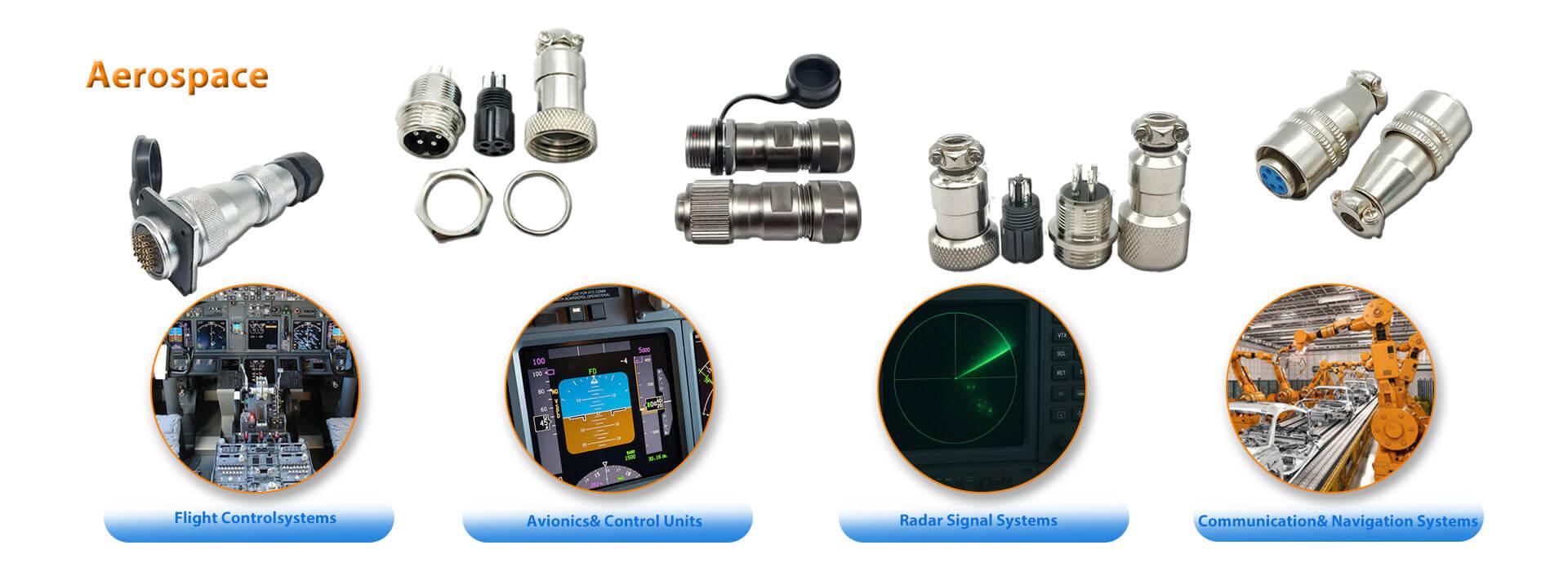
SF Series Aviation Connectors Specifications and Performance Data
M12 Connectors in Pressure Sensors: Ensuring Reliable Signal and Power in Harsh Environments
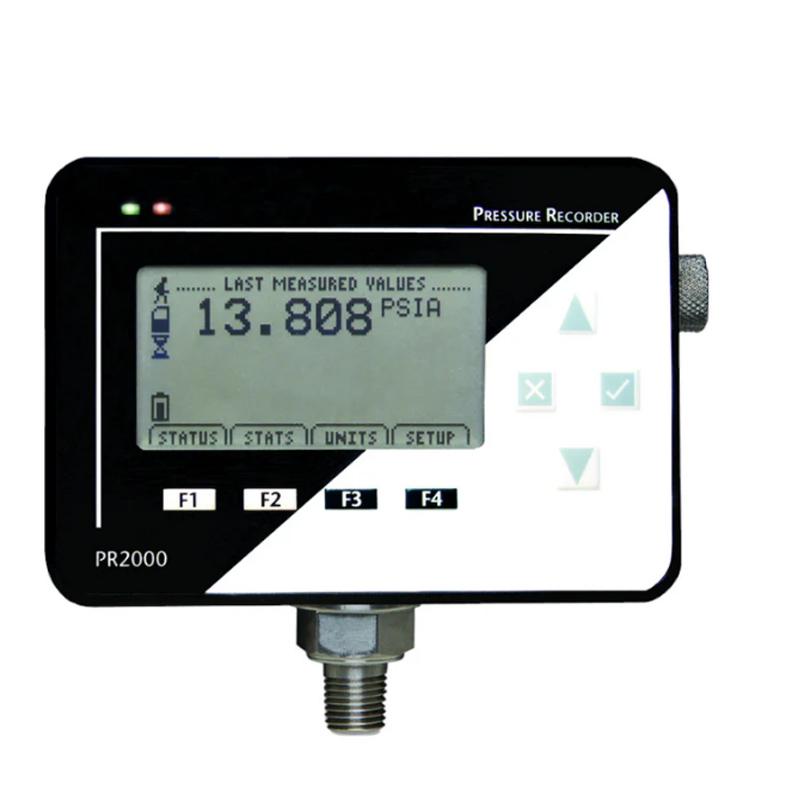
In industrial and automotive systems, pressure sensors play a critical role in monitoring fluid, gas, and hydraulic pressures for safe and efficient operation. M12 connectors are widely used to connect these sensors to control units, data acquisition systems, and monitoring devices, ensuring stable power supply and reliable signal transmission.
Pressure sensors are often exposed to vibration, temperature fluctuations, dust, and moisture. M12 connectors, with their robust metal housings and secure threaded locking mechanisms, maintain stable connectivity even under harsh operating conditions. Their compact design and resistance to mechanical stress make them ideal for integration into tight spaces while ensuring reliable sensor performance.
Additionally, M12 connectors simplify installation, maintenance, and sensor replacement. When pressure sensors require servicing or repositioning, these connectors allow quick and secure reconnection without interrupting system operation. By providing dependable connectivity, M12 connectors enhance data accuracy, system reliability, and overall operational efficiency in applications relying on pressure measurement.
Key Selection Criteria for M12 Connectors in Pressure Sensing Applications
When selecting an M12 connector for a pressure sensor, engineers should evaluate the following core decision points to ensure a proper match:
-
Electrical requirements: Verify the current and voltage ratings of the connector against the sensor's power consumption and signal levels. M12 connectors are available in 3, 4, 5, and 8-pin configurations to support various power and signal combinations.
-
Environmental protection: Confirm the Ingress Protection (IP) rating needed for the specific installation. For sensors exposed to washdown, coolant, or outdoor conditions, an IP67 or IP68-rated M12 connector with a sealed mating interface is typically required.
-
Coding and keying: Choose the correct coding (A-coded for sensors and actuators, B-coded for Fieldbus, D-coded for Ethernet) to prevent mismating with other connectors in the system.
-
Cable and mounting style: Determine whether a straight or angled connector, and a field-wireable or molded cable assembly, best fits the sensor's physical layout and installation access.
Suitable and Unsuitable Application Boundaries
M12 connectors are well-suited for pressure sensors in machine tools, process automation, hydraulic systems, and vehicle control units where space is limited and vibration is present. However, for sensors operating in extreme temperatures above 125°C or in highly corrosive chemical environments, verify the connector housing material and seal compatibility before specifying. For high-vibration automotive chassis applications, additional strain relief or locking mechanisms may be necessary.
Interpreting Key Parameters
When reviewing an M12 connector datasheet, pay attention to the rated current (typically 4A to 12A depending on pin count), rated voltage (up to 250V), contact resistance (usually below 10 mΩ), and mating cycles (often 100 or more). These values directly affect the long-term stability of the pressure signal and the connector's service life in the field.
Related Resources
For further guidance on connector selection and installation, review the Aviation Plug Connectors range for alternative circular interface options, or consult the SF Series Aviation Connectors Specifications and Performance Data for detailed technical parameters.
Inquiry Checklist
To receive an accurate connector recommendation for your pressure sensor application, please provide the following details in your inquiry:
- Sensor type and manufacturer, if applicable
- Required pin count and coding (A, B, D, etc.)
- Operating voltage and current
- Environmental conditions (temperature range, IP rating, chemical exposure)
- Cable length, gauge, and whether a molded or field-wireable connector is preferred
- Mounting orientation (straight or angled) and available space
Contact our engineering team through the inquiry form or WhatsApp to discuss your specific requirements and receive a verified connector solution.




 Tel: +8619924482730
 Email: info@kmydconnector.com
 MP/WhatsApp: +8619924482730
 Manufacturer Address:Baoan District, Shenzhen City, Guangdong Province,China