M8 Waterproof Connector Types and Specifications
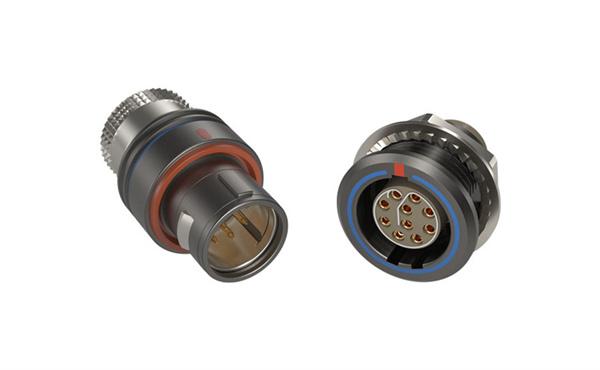
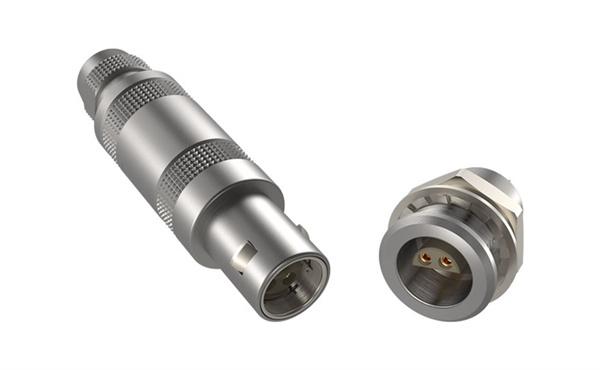
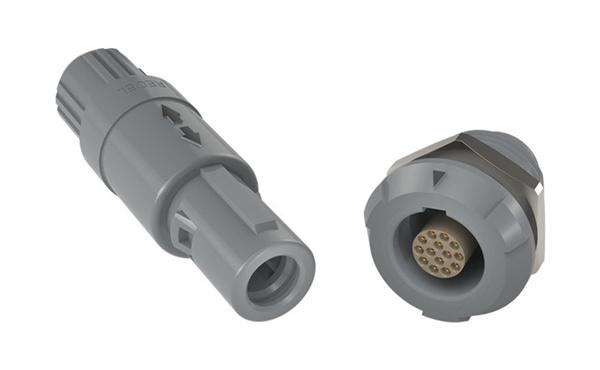
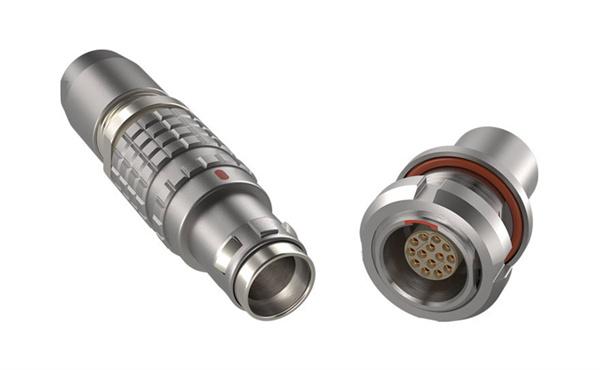
G Series Push-pull Connectors: Built for Demanding Industrial Environments
G Series connectors are engineered for demanding environments where mechanical strength and vibration resistance are critical. These push-pull connectors provide secure, reliable connections for industrial and mobile equipment applications, helping buyers reduce downtime caused by loose or failing connections.
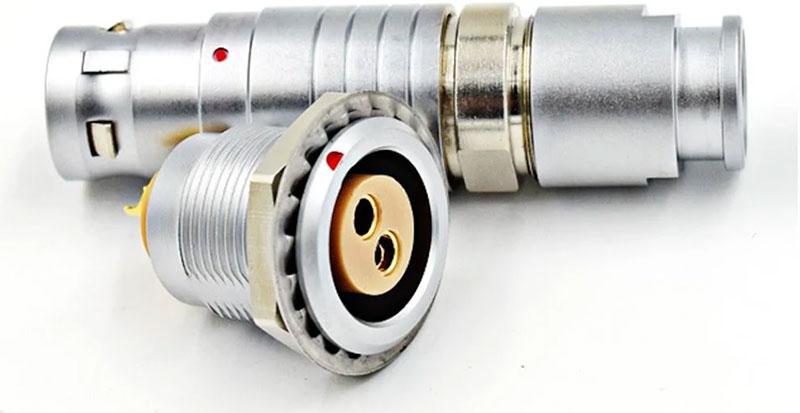
Why Choose G Series for Your Application
When selecting a connector for harsh operating conditions, buyers typically evaluate mechanical robustness, mating security, and environmental protection. The G Series addresses these concerns through a high-strength shell and vibration-resistant design, making it suitable for equipment exposed to continuous movement or shock.
Key Decision Points for Buyers
-
Mechanical durability: The high-strength shell protects internal contacts from impact and crushing forces common in industrial settings.
-
Vibration resistance: The locking mechanism is designed to maintain contact integrity under vibration, reducing the risk of intermittent signals or power loss.
-
Application fit: Consider whether your equipment experiences constant motion, high shock loads, or exposure to dust and moisture when evaluating this series.
-
Mating reliability: Push-pull operation allows for quick, secure connection and disconnection, which is valuable for equipment requiring frequent maintenance or reconfiguration.
Understanding the G Series Construction
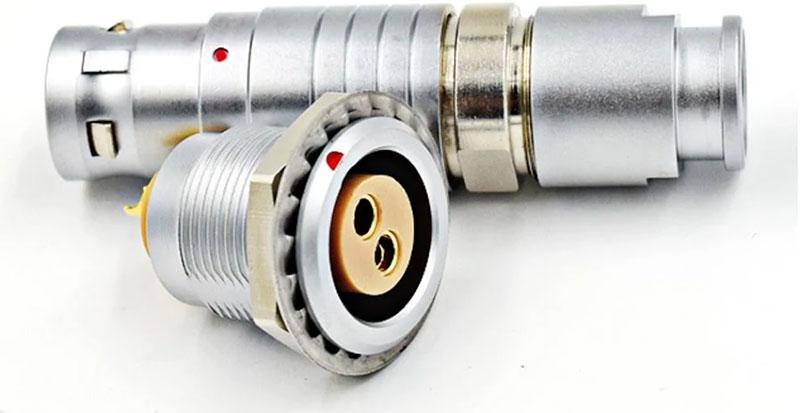
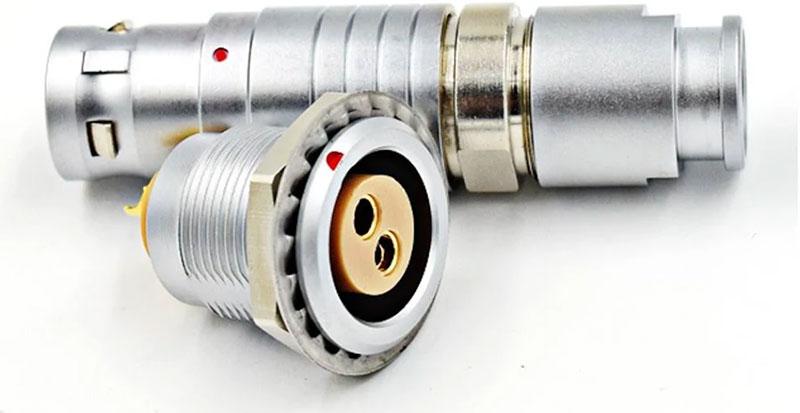
The G Series uses a robust shell construction that prioritizes protection of the internal contact system. This design approach is particularly relevant for buyers who have experienced connector failures in applications involving heavy machinery, mobile equipment, or automated systems where connection integrity directly affects operational safety and productivity.
For engineers evaluating this series, the key trade-off to consider is between the mechanical protection offered by the shell and the space or weight constraints of your equipment. The vibration-resistant design is a distinguishing feature that supports use in applications where standard connectors may loosen over time.
Suitable and Unsuitable Applications
Suitable applications for G Series connectors include industrial machinery, mobile equipment, and other environments where mechanical stress and vibration are primary concerns. Buyers who prioritize connection security under physical stress will find this series aligned with their requirements.
Less suitable applications include those requiring specific electrical ratings, pin configurations, or environmental protection levels (such as IP ratings) that are not confirmed for this series. If your application demands a particular ingress protection rating, contact density, or current-carrying capacity, verify these parameters before selection.
Information to Include in Your Inquiry
To receive an accurate recommendation and quotation, please provide the following details when contacting our team:
- Required pin count and contact arrangement
- Mating connector type (plug or socket) and mounting style (cable, panel, or PCB)
- Cable outside diameter and conductor size
- Electrical load requirements (current and voltage)
- Environmental conditions (temperature range, exposure to moisture or chemicals)
- Vibration or shock levels expected in your application
- Order quantity and target delivery timeline
Related Resources
For additional guidance on connector selection and installation, review the 12G Series Circular Connectors for an alternative circular interface option, or consult the vibration resistance FAQ for wind power equipment to understand how connector locking mechanisms perform under high-vibration conditions.
Next Steps
If the G Series appears suitable for your application, contact our sales team with the inquiry details listed above. We can confirm availability, provide technical drawings, and discuss customization options based on your specific requirements. For immediate assistance, reach out via WhatsApp to speak directly with an application engineer.


 MOQ
MOQ Contact Diameter(mm)
 IP Rating
 Shell Material
 Termination
 Rated Current(A)
 Certification

 Tel: +8619924482730
 Email: info@kmydconnector.com
 MP/WhatsApp: +8619924482730
 Manufacturer Address:Baoan District, Shenzhen City, Guangdong Province,China