

When cleaning chemicals reach waterproof connectors, material compatibility becomes a separate selection question. Identify the cleaner, its working concentration, temperature and contact time, then check every exposed material in the proposed connection. An IP water-ingress classification does not establish resistance to a detergent or disinfectant. A useful answer must cover the cleaning routine and the actual seal, housing and cable construction, rather than rely on the word “waterproof.”
Describe the cleaning recipe before choosing a seal
“Washed daily” leaves too much unknown. A connection may receive a brief wipe, foam that remains until rinsing, or repeated splashes from a nearby process. The cleaning solution may reach the cable jacket as well as the coupling. Record what happens at that location, including any periods when liquid collects around a fitting.
Use the cleaner's product identity and current technical information, not only a broad description such as alkaline or alcohol-based. Give the supplier the intended dilution and the conditions prescribed by the cleaning process owner.
| Cleaning detail | What to record |
|---|---|
| Product and concentration | The named cleaner, its formulation reference where available, and the working dilution reaching the connection. |
| Temperature | The solution and equipment conditions at the connector, including changes during the cycle. |
| Contact and rinse | Application method, dwell period, rinsing sequence and whether residue may remain afterward. |
| Repetition | The cleaning frequency and any planned change between routine and intensive cleaning. |
| Installed condition | The exposed surfaces, assembly position and whether any protective parts are removed during the process. |
Trelleborg's guidance on cleaning and sterilization systems identifies temperature, concentration and exposure duration as important seal-selection variables. Its examples concern its own sealing materials and applications. They explain why a cleaning recipe matters; they do not qualify a KMYD connector for that recipe.

Follow the liquid across the whole connection
Start at the surface the cleaner touches. Depending on the installation, that may include a coupling, housing, seal, cable-entry component, molded transition and jacket. List each relevant material and ask which exact grade or compound the supplier proposes. A response about the main seal leaves the other exposed parts unresolved.
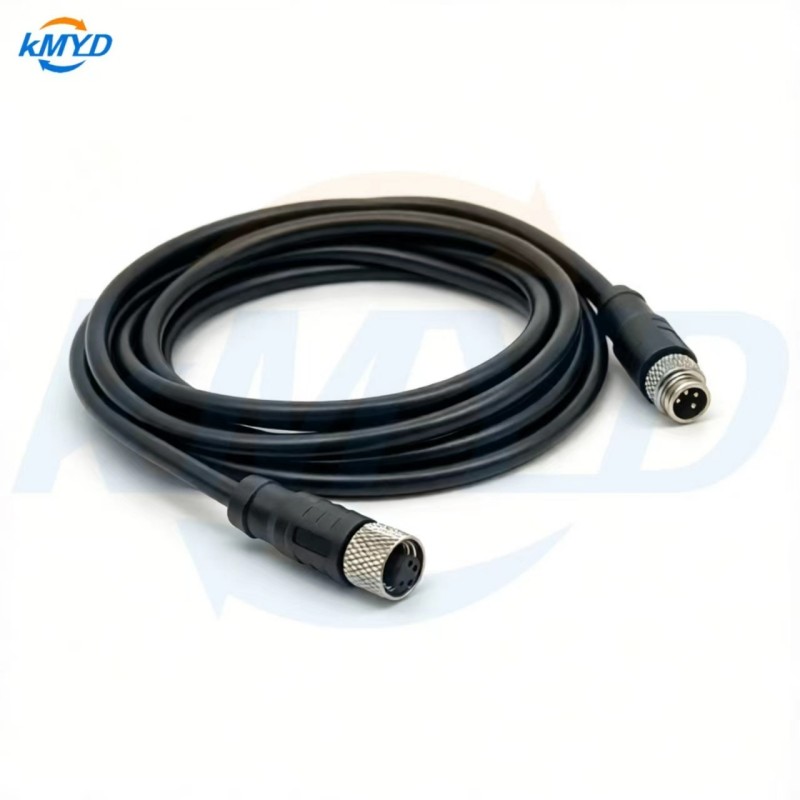
KMYD's SP-series pre-wired connector offering provides a product route for this discussion. The public listing does not identify a complete, tested material combination for a named cleaning chemical. Request that information for the quoted configuration before assigning it to a cleaning zone.
Material-family names help organize a question, but they do not settle it. Different formulations within a family can behave differently. A compatibility entry also has conditions: a result for one temperature or fluid concentration should not silently become an approval for another. Ask what limits accompany any recommendation and which exposed parts it actually covers.
Look beyond a seal that still appears to fit
Parker's explanation of rubber testing describes several possible fluid interactions, including swelling, extraction-related shrinkage and chemical degradation. These effects can occur together, so an apparently small dimensional change is not a complete assessment. Changes in hardness or mechanical properties may also matter to the seal's function.
For purchasing purposes, the practical question is whether the chosen materials retain the properties required by the assembled connection after the agreed exposure. Do not turn a general compatibility chart into a universal pass limit. The connector and material specialists need to define suitable evaluation criteria for the application.
A soft, distorted or cracked part found during maintenance deserves investigation, but appearance alone cannot identify the chemical responsible. Keep the removed component and the cleaning record together. Have the responsible maintenance team decide the replacement and inspection scope instead of compensating for a changed seal by tightening the connection harder.
Keep chemical exposure separate from water ingress
The IP Code concerns enclosure protection. A water-ingress result answers a different question from whether a cleaning formulation changes a seal or attacks an exposed material. Repeated cleaning can introduce a material-aging question even when the initial connection is properly assembled.
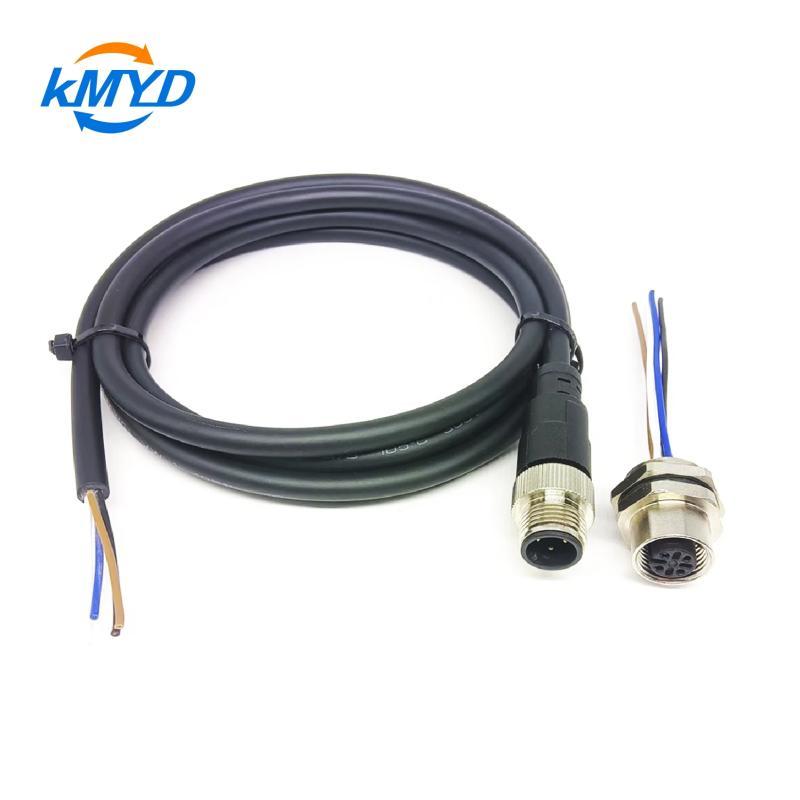
For a proposed M12 customized cable assembly, ask the supplier to distinguish material evidence from assembled-connection evidence. Material information can help screen candidates. The final verification plan should address the intended connection after the relevant exposure, including whatever functional and sealing checks the application requires. No single soak duration or visual check is appropriate for every design.
If the available information covers a different cleaner, record that gap explicitly. Useful next steps may include a better-supported material option, a change to the installation location approved by the equipment owner, or an application-specific evaluation. A generic waterproof description should not close an unanswered compatibility question.
A new cleaner is a reason to reopen the decision
Keep the accepted cleaning conditions with the equipment's maintenance information. A replacement detergent, altered dilution, hotter wash or longer dwell can change the exposure even though the connector part number stays the same. Route those changes back through the compatibility review before treating the original selection as still suitable.
The next supplier discussion can therefore be very specific: send the cleaning recipe, identify the surfaces it reaches, and request the proposed material identities with the limits of the supporting evidence. That gives both parties an answerable question instead of an open-ended request for chemical-proof hardware.
Technical context: Trelleborg on cleaning-media exposure; Parker on fluid effects in rubber testing; IEC 60529 scope; NorComp on ingress protection and environmental stresses.


 Tel: +8619924482730
 Email: info@kmydconnector.com
 MP/WhatsApp: +8619924482730
 Manufacturer Address:Baoan District, Shenzhen City, Guangdong Province,China