SD20/SP20 Square Flange Connector Design and Installation Guide
Why Coaxial RF Connectors Matter for High-Frequency Signal Integrity
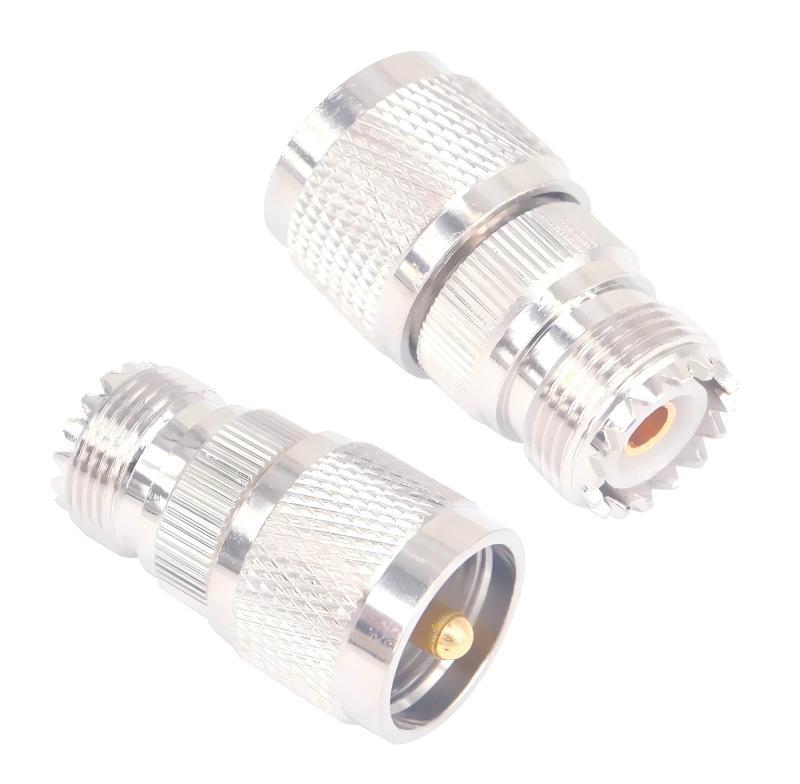
Coaxial RF connectors are fundamental in ensuring stable and high-performance signal transmission across various RF applications. Their design, which includes a central conductor surrounded by dielectric insulation and an outer shield, minimizes signal loss and electromagnetic interference (EMI). This makes them ideal for high-frequency and high-speed applications such as telecommunications, video broadcasting, and laboratory testing. Their ability to maintain consistent signal quality even in demanding environments ensures they are a reliable choice for connecting cables to devices or systems where high integrity is required.
What to Evaluate When Selecting an RF Coaxial Connector
Choosing the right coaxial RF connector depends on matching the connector's electrical and mechanical characteristics to your specific application requirements. Consider the following decision points before specifying a connector:
-
Frequency range: Verify that the connector supports the maximum operating frequency of your system, as different series are rated for different bands.
-
Impedance matching: Confirm the characteristic impedance (typically 50 Ω or 75 Ω) matches your cable and equipment to avoid reflections and signal degradation.
-
Interface and mating: Ensure the connector series, gender, and coupling mechanism are compatible with your existing cables and panel mounts.
-
Environmental exposure: Check the IP rating and temperature range if the connection will be used outdoors, in industrial settings, or in high-vibration environments.
-
Termination method: Select between crimp, solder, or clamp termination based on your assembly capability and field-service requirements.
Understanding Electrical Limits vs. Application Derating
Rated values such as maximum voltage, current, and frequency are determined under controlled laboratory conditions. In real-world installations, derating is often necessary due to ambient temperature, altitude, cable length, or adjacent heat sources. Always compare the connector's rated specifications against your actual operating environment, and consult the manufacturer's derating curves when available.
Common Applications and Their Connector Requirements
Different RF applications place different demands on the connector. For example, telecommunications infrastructure typically requires low insertion loss and high mating-cycle durability, while laboratory testing prioritizes repeatable performance and precise impedance control. Video broadcasting systems may need connectors that support specific frequency bands and maintain signal quality over long cable runs. Identify your primary application and verify that the connector's electrical and mechanical specifications align with those operational needs.
Installation and Maintenance Considerations
Proper installation is critical to preserving signal integrity. Follow the manufacturer's recommended torque values for coupling nuts, avoid over-bending the cable near the connector, and ensure the termination is clean and free of debris. Periodic inspection of mating surfaces and torque checks can prevent intermittent connections and long-term signal degradation.
Next Step: Define Your Requirements and Request a Quote
To move forward with the right coaxial RF connector, prepare a short list of your system's operating frequency, impedance, cable type, and environmental conditions. Sharing these details with our engineering team will help confirm the correct series and configuration for your project. Use the inquiry form or contact us via WhatsApp to discuss your application and receive a tailored recommendation.



 Tel: +8619924482730
 Email: info@kmydconnector.com
 MP/WhatsApp: +8619924482730
 Manufacturer Address:Baoan District, Shenzhen City, Guangdong Province,China