SF Series Aviation Connectors Specifications and Performance Data
Quality Control for Metal Hardware Components: What It Means for Your Application
When you specify metal hardware for industrial equipment, the quality control behind that component directly affects your assembly's reliability, lifespan, and total cost of ownership. This guide explains the testing and inspection methods we use at our factory to verify that every metal component meets performance and durability standards across all product categories.
Understanding these quality checks helps you evaluate suppliers and confirm that the components you select will perform as expected in your specific operating environment.
Material Performance Testing
Material verification is the first line of defense against premature failure. We conduct rigorous mechanical testing to confirm that the base metal meets the required specifications for your application.
-
Tensile testing for strength evaluation, confirming the material can withstand expected loads.
-
Hardness testing to verify resistance to surface deformation and wear.
-
Impact testing for toughness assessment, ensuring the component can absorb shock without fracturing.
-
Fatigue testing to determine durability limits under repeated stress cycles.
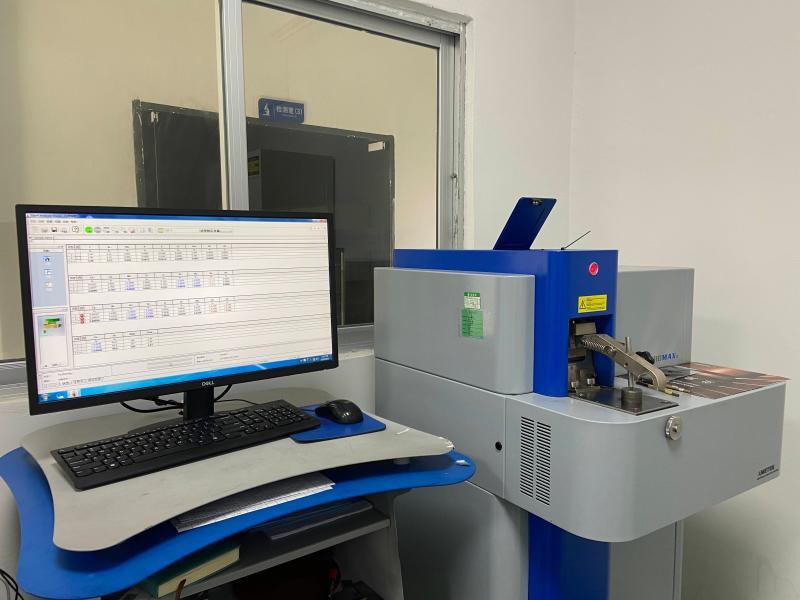
In addition to mechanical properties, our chemical composition analysis precisely measures element content. This step ensures material compliance with specified standards for various hardware applications, preventing issues caused by off-specification alloys or impurities.
Functional and Lifecycle Assessment
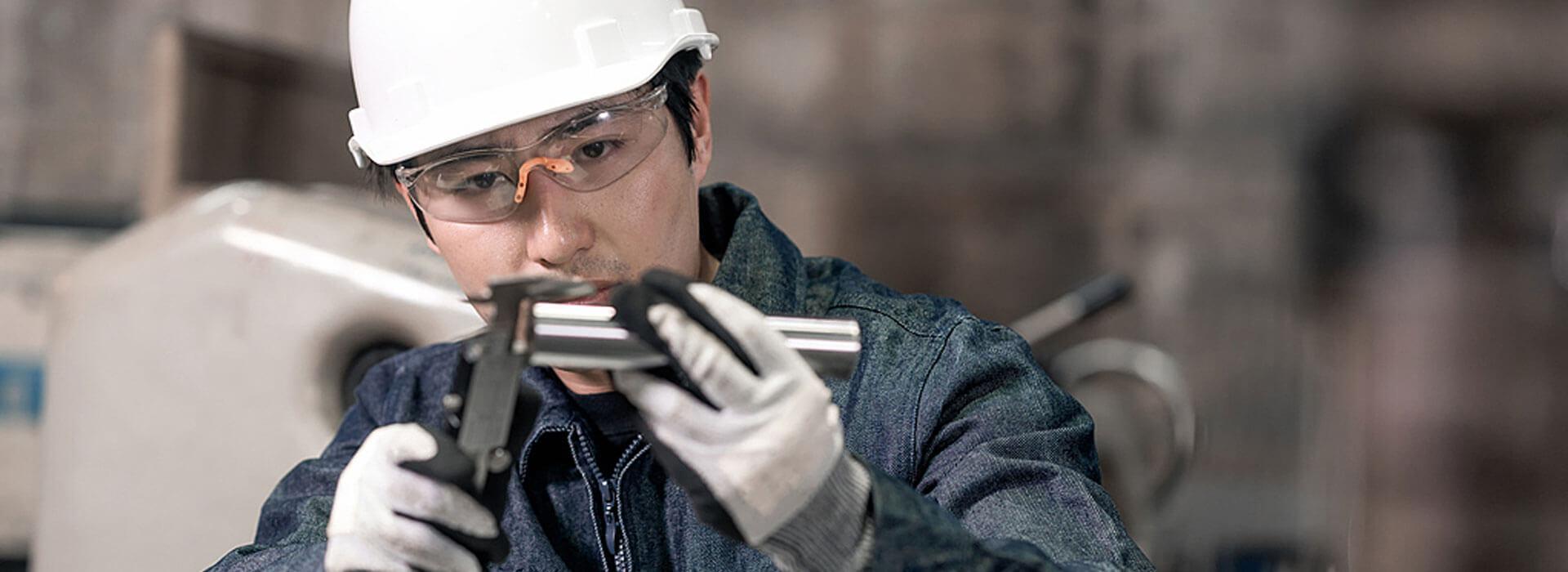
Beyond raw material properties, we verify that the finished component performs correctly in its intended role. Our precision measurement equipment checks dimensional accuracy with strict tolerance control, ensuring proper fit and function in your assembly.
Surface quality is equally important. We perform thorough inspections and conduct coating tests for:
-
Thickness to ensure adequate protection.
-
Adhesion to confirm the coating will not peel or flake.
-
Corrosion resistance for harsh environments.
-
Wear durability for moving or contacting surfaces.
Lifecycle testing simulates real-world conditions through thousands of operational cycles. This validates product longevity and helps predict maintenance intervals, giving you confidence in the component's service life before you commit to a large order.
How to Use This Information in Your Selection Process
When comparing suppliers, ask which specific tests are performed on the components you need. Confirm that the testing methods align with your application's demands—for example, a component for a high-vibration environment should have documented fatigue testing, while one for outdoor use should have verified corrosion resistance data.
If you are evaluating a specific connector or hardware series, review the published specification data and request test reports for the exact material grade and finish you plan to use.
For more detail on related quality verification methods, see our guide on 2.5D dimensional accuracy testing for precision connectors or the overview of electrical performance testing in connector quality control.
If you have a specific application requirement or need to verify a material specification, contact our engineering team with your drawings or performance targets. We can confirm which quality control tests apply to your project and provide the relevant documentation.



 Tel: +8619924482730
 Email: info@kmydconnector.com
 MP/WhatsApp: +8619924482730
 Manufacturer Address:Baoan District, Shenzhen City, Guangdong Province,China