WS Series Aviation Connectors Types, Materials, and Specs
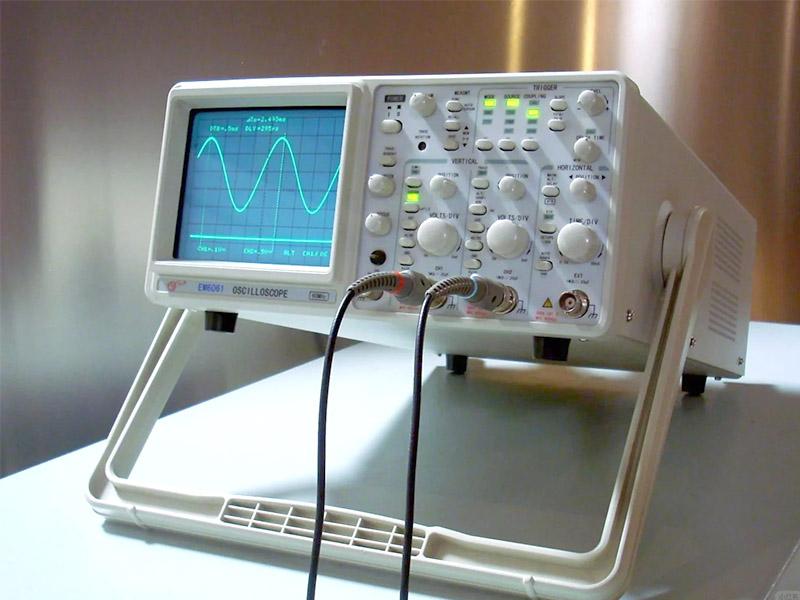
BNC vs. SMA for Oscilloscope Probes: How to Choose
Choosing between BNC and SMA connectors for your oscilloscope probe depends primarily on the signal frequency you need to measure. For general-purpose testing up to 3 GHz, BNC connectors offer a cost-effective and convenient solution. For higher-frequency RF and microwave signals above 3 GHz, SMA connectors provide the low-loss performance required to maintain signal integrity.
Selecting by Test Frequency
Your decision should be guided by the frequency of the signals you are working with. The table below summarizes the key differences to help you make an informed choice.
| Parameter |
BNC Connector |
SMA Connector |
| Recommended Frequency Range |
≤ 3 GHz |
> 3 GHz (up to 10 GHz) |
| Typical Applications |
General digital signals, low-frequency analog signals, universal oscilloscope probes |
RF signals, microwave signals, high-frequency probes (e.g., 10 GHz active probes) |
| Key Performance Specs |
VSWR ≤ 1.3, signal attenuation ≤ 0.3 dB/100m |
VSWR ≤ 1.2 |
| Primary Advantage |
Cost-effective, easy to plug and unplug |
Low loss ensures undistorted waveforms |
Key Decision Points
-
Frequency Limit: The most critical factor is your signal's frequency. If it is at or below 3 GHz, BNC is suitable. If it exceeds 3 GHz, you must use SMA to avoid signal degradation.
-
Signal Integrity: For high-frequency measurements, the lower VSWR of the SMA connector (≤1.2) is essential for minimizing reflections and ensuring the waveform you see is accurate.
-
Mechanical Fit: Ensure the connector on your probe matches the connector on your oscilloscope or test setup. BNC uses a bayonet-style coupling, while SMA uses a threaded interface for a more secure connection.
Application Boundaries
BNC connectors are not recommended for high-frequency RF work above 3 GHz, as their design can introduce significant signal loss and reflections. Conversely, while SMA connectors can technically be used at lower frequencies, they are often more expensive and less convenient to connect than BNC, making them an unnecessary choice for standard low-frequency testing.
For related test and measurement connection needs, you may also find our guide on Banana Plug Connectors for Multimeter Test Lead Interfaces useful for lower-frequency applications.
Next Steps for Your Application
To confirm the right connector for your specific probe, verify the frequency range of your signals and check the connector type on your existing equipment. If you need assistance selecting a connector for a specific test setup, please provide your frequency requirements and interface type for a more detailed recommendation.



 Tel: +8619924482730
 Email: info@kmydconnector.com
 MP/WhatsApp: +8619924482730
 Manufacturer Address:Baoan District, Shenzhen City, Guangdong Province,China