RF Connector Types, Materials, and Electrical Specs
How to Protect Connectors from Moisture in High-Humidity Control Cabinets
When the relative humidity inside an electrical control cabinet exceeds 90%, standard industrial connectors face a high risk of condensation, corrosion, and short circuits. The selection of the connector itself is only one part of the solution; the cabinet environment must also be managed. Below is a practical approach for engineers and maintenance teams dealing with persistently humid conditions.
Prioritize IP67-Rated Connectors for Direct Moisture Resistance
For applications where connectors are exposed to high humidity or occasional direct water contact, an IP67 protection rating is the primary specification to verify. This rating confirms that the connector is dust-tight and protected against the effects of temporary immersion in water. The WF series is an example of a connector family designed for such conditions.
When evaluating a connector for this environment, confirm the following material and plating details, as they directly affect long-term reliability:
-
Housing Material: PA66 + glass fiber offers better dimensional stability and moisture resistance than standard unfilled plastics.
-
Contact Plating: Silver-plated contacts provide superior oxidation resistance compared to unplated or tin-plated alternatives, which is critical in humid air.
-
Mating Cycle Rating: Verify the connector's rated mating cycles to ensure it can withstand the frequency of maintenance disconnects in your application.
Manage Cabinet Humidity to Prevent Internal Condensation
Even with IP67 connectors, condensation can form on unsealed cable entries, terminal blocks, and the internal surfaces of the cabinet. To mitigate this, the ambient humidity inside the enclosure must be actively controlled.
Install a dehumidifier module—such as a semiconductor-based unit—inside the control cabinet. The goal is to maintain relative humidity below 60%. This reduces the dew point and prevents moisture from accumulating on electrical contacts and PCB surfaces, which is the root cause of leakage currents and corrosion-related failures.
Application Boundaries and Installation Notes
While IP67 connectors are suitable for high-humidity environments, they are not a substitute for proper cabinet sealing. Consider the following boundaries:
-
Unmated Condition: IP67 ratings typically apply to mated connectors with the coupling nut fully tightened. An unmated connector is not protected against water ingress.
-
Temperature Cycling: Rapid temperature changes inside the cabinet can cause "breathing," drawing moist air into the enclosure. Ensure cabinet vents or breather valves are equipped with desiccant filters.
-
Cable Glands: Use sealed cable glands rated for the same IP level to prevent moisture from entering through the cable entry points.
Selection Checklist for High-Humidity Applications
Before specifying a connector for a control cabinet in a humid environment, verify the following parameters against your application requirements:
- IP rating (IP67 or higher for direct moisture exposure).
- Housing material (PA66 + glass fiber recommended).
- Contact plating (silver or gold for oxidation resistance).
- Rated current and voltage under derating conditions, if the ambient temperature exceeds the reference value.
- Mating cycles and locking mechanism (screw-lock or bayonet) for secure engagement.
For related guidance on connector selection in control systems, review the requirements for connectors used in remote I/O modules of DCS systems.
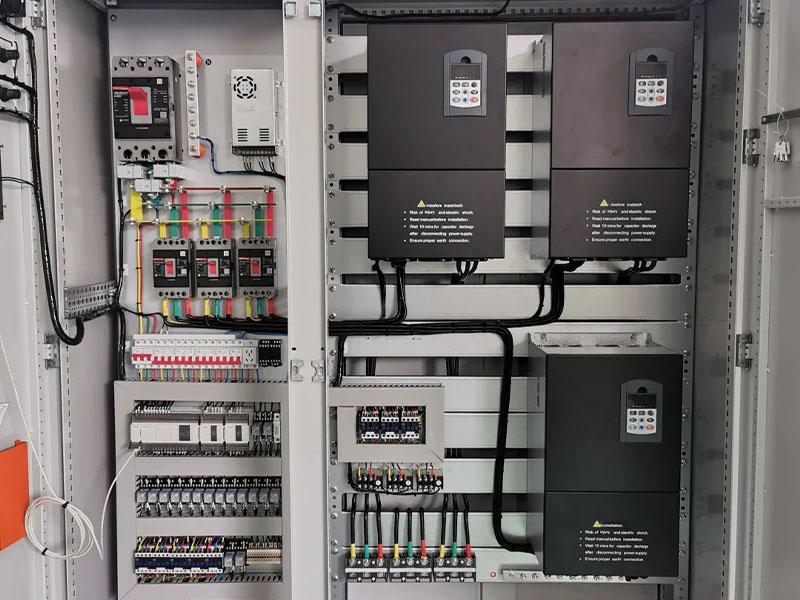
If your control cabinet operates in a high-humidity environment, start by verifying the IP rating and contact plating of your current connectors, and measure the actual humidity levels inside the enclosure. These two checks will determine whether a connector upgrade or a cabinet dehumidification solution is the correct next step.



 Tel: +8619924482730
 Email: info@kmydconnector.com
 MP/WhatsApp: +8619924482730
 Manufacturer Address:Baoan District, Shenzhen City, Guangdong Province,China