SD20/SP20 Flange Connector Size and Material Options
Connector Copper Braided Straps: Flexible Grounding for Demanding Environments
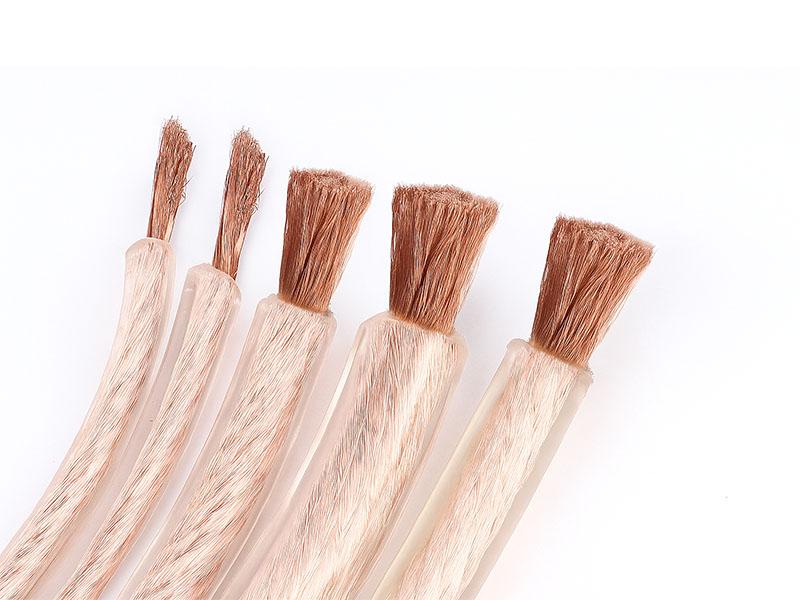
Connector copper braided straps are essential components for grounding and flexible conductivity in industrial electrical systems. They are commonly used in applications such as motor housing grounding, where they provide a reliable low-resistance path while accommodating movement and vibration. Their construction offers excellent flexibility and high bending fatigue resistance, making them a preferred choice for wiring in environments subject to continuous mechanical stress.
Unlike solid busbars or rigid cables, copper braided straps are engineered to absorb motion and thermal expansion without fracturing. This makes them particularly valuable in applications where equipment vibrates, shifts, or experiences thermal cycling. For engineers and maintenance professionals, selecting the right braided strap involves balancing electrical performance, mechanical durability, and installation requirements.
Why Choose Copper Braided Straps for Grounding?
Copper braided straps offer distinct advantages over rigid conductors in specific scenarios. Their woven construction provides a high degree of flexibility, allowing them to be routed around obstacles and into tight spaces. This flexibility also reduces mechanical stress on connection points, which is critical in vibrating environments where rigid connections can loosen or crack over time.
-
Vibration resistance: The braided structure absorbs mechanical shock and continuous motion, reducing the risk of fatigue failure at terminals.
-
High current carrying capacity: The large surface area of the braid allows for efficient heat dissipation and stable conductivity.
-
Easy installation: Flexible straps simplify routing and connection in confined or awkward spaces, saving time during assembly.
Key Selection Considerations
When specifying a copper braided strap, consider the following factors to ensure a proper match for your application:
-
Cross-sectional area: Determine the required current-carrying capacity to select the appropriate braid size. Undersized straps can overheat, while oversized straps may be unnecessarily bulky.
-
Length and termination: Measure the exact distance between connection points and specify the required hole size, lug type, or bare braid ends for your terminals.
-
Environmental conditions: For outdoor or corrosive environments, verify whether the strap requires tin plating or another protective finish to maintain performance.
Application Boundaries
While copper braided straps are versatile, they are not suitable for every connection. They are designed for flexibility and grounding, not for high-precision signal transmission or applications requiring rigid mechanical support. For high-frequency signal integrity, consider alternative connector solutions. Similarly, for static installations where vibration is not a concern, a solid busbar may offer a more cost-effective solution.
Requesting the Right Product
To receive an accurate quotation and ensure the correct product match, please provide the following details when making an inquiry:
- Required current rating and cross-sectional area
- Overall length and distance between mounting holes
- Termination type (bare braid, tinned lugs, or custom ends)
- Operating environment (temperature, humidity, chemical exposure)
- Any specific plating or material requirements
For further guidance on related components, you may find our article on copper alloy pins for circular connectors useful for understanding material conductivity in connector systems. If you are working on a motor or cable assembly, our guide on customizable aviation plug connectors with industrial motor cable may also be relevant.
If you have a specific application in mind, please contact us via the inquiry form or WhatsApp with the details above. Our team can help confirm the correct strap configuration for your electrical and mechanical requirements.



 Tel: +8619924482730
 Email: info@kmydconnector.com
 MP/WhatsApp: +8619924482730
 Manufacturer Address:Baoan District, Shenzhen City, Guangdong Province,China