Din Circular Connector Types and Specifications Guide
Connector Lathe Processing: Precision Machining for Reliable Interconnects
Lathe processing is a fundamental manufacturing step in the production of high-quality circular and waterproof connectors. For engineers and procurement specialists, understanding this process is key to evaluating the mechanical precision, material integrity, and long-term reliability of the connector components you specify. This article explains what lathe processing involves, why it matters for connector performance, and the key quality indicators to review with your manufacturing partner.
Why Lathe Processing Matters for Connector Performance
The contacts, housings, and locking mechanisms of industrial connectors often require tight dimensional tolerances that only precision machining can achieve. Lathe processing, also known as CNC turning, shapes cylindrical metal parts by rotating the workpiece against a cutting tool. This method is preferred for connector components because it delivers:
-
High dimensional accuracy: Consistent diameters and lengths are critical for maintaining stable contact resistance and mating forces across thousands of cycles.
-
Superior surface finish: A smooth surface reduces friction during mating and improves the effectiveness of subsequent plating processes, such as gold or nickel plating.
-
Material integrity: Unlike casting or stamping, machining from solid bar stock preserves the mechanical strength of materials like brass, copper alloys, and stainless steel, which is essential for demanding applications.
-
Complex geometries: Modern CNC lathes can produce intricate features like threads, undercuts, and chamfers in a single setup, ensuring the precise fit of mating parts.
Key Components Produced by Lathe Processing
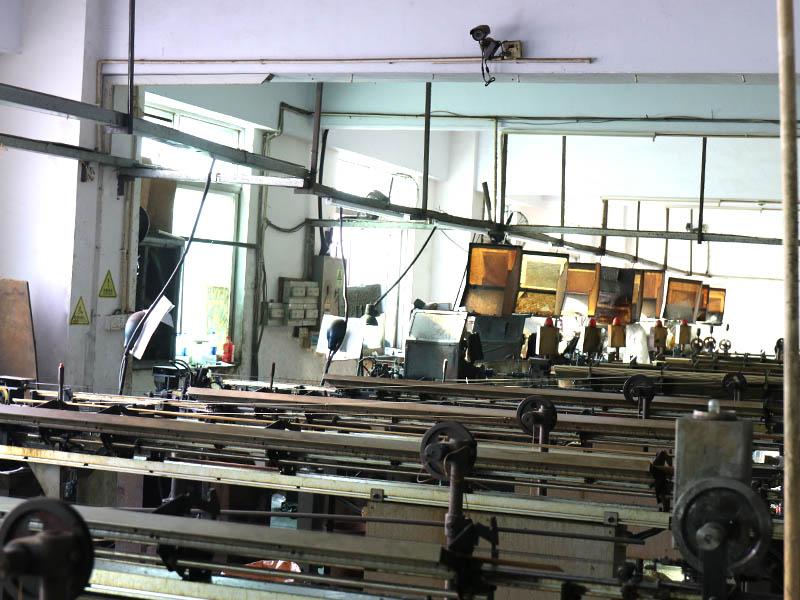
Several critical parts of a connector are typically manufactured using lathe processing. Knowing which parts are machined helps you ask the right questions about your specific connector series.
Contacts and Pins
Male pins and female sockets are the heart of the electrical connection. Machined contacts offer better dimensional consistency than stamped versions, which is vital for maintaining low and stable contact resistance, especially in high-vibration environments. The precision of the machined socket opening directly influences insertion and extraction forces.
Coupling Nuts and Shells
The threaded coupling nuts and cylindrical shells that provide mechanical security and environmental sealing are often machined. The accuracy of the thread form is crucial for achieving the correct mating torque and ensuring the connector maintains its IP-rated seal over time.
Material Selection and Surface Finishing
The choice of raw material is as important as the machining process itself. Common materials for machined connector parts include brass and copper alloys for excellent conductivity, and stainless steel or aluminum for high-strength housings. After machining, parts typically undergo surface finishing, such as gold plating for contacts to prevent corrosion and reduce wear, or anodizing for aluminum shells to enhance durability.
When reviewing a connector, consider the base material and plating type. These factors determine the connector's operating temperature range, chemical resistance, and mating cycle life.
Quality Control in Lathe Processing
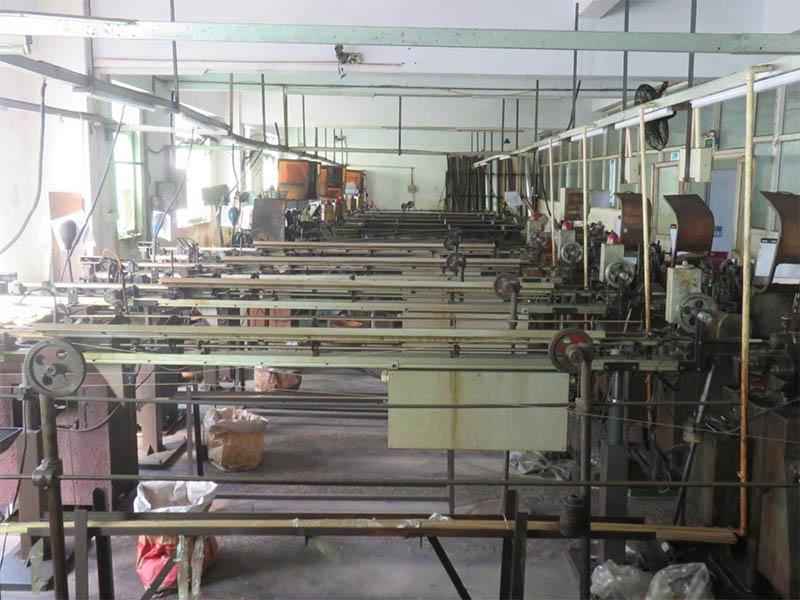
Precision machining is only valuable if it is verified. A reliable manufacturing process includes rigorous inspection of machined parts. Key parameters to confirm with your supplier include:
-
Dimensional tolerances: Verify that critical diameters and lengths meet the specified tolerance classes.
-
Surface roughness (Ra): Confirm the finish meets the requirement for plating adhesion and low friction.
-
Thread gauging: Ensure threads are inspected with go/no-go gauges to guarantee compatibility with mating connectors.
-
Material certification: Request material test certificates to confirm the alloy composition and mechanical properties.
Application Considerations for Machined Connectors
Connectors with machined components are often specified for applications where reliability is non-negotiable. These include industrial automation, robotics, medical devices, and new energy systems where vibration, temperature fluctuations, and repeated mating cycles are common. The precision of machined parts contributes to a more consistent seal and a more stable electrical connection over the product's lifetime.
For applications requiring high pin counts or specific keying options, the flexibility of CNC machining allows for custom configurations without the high tooling costs associated with stamped parts. This makes machined connectors a practical choice for both standard and customized solutions.
Next Steps for Your Connector Project
Understanding the role of lathe processing helps you evaluate the quality and suitability of a connector for your specific environment. When discussing your requirements with a manufacturer, ask about their machining capabilities, inspection procedures, and material sourcing to ensure the final product meets your performance and longevity goals.
If you are evaluating a specific connector series or need assistance with a custom design, our team can provide detailed information on machining tolerances, material options, and plating finishes. Contact us to discuss your application requirements and receive guidance on the most reliable connector solution for your project.



 Tel: +8619924482730
 Email: info@kmydconnector.com
 MP/WhatsApp: +8619924482730
 Manufacturer Address:Baoan District, Shenzhen City, Guangdong Province,China