SF Series Aviation Connectors Specifications and Performance Data
Why Salt Spray Testing Matters for Industrial Connectors
Industrial connectors used outdoors, on ships, or in processing plants face constant exposure to moisture, salt, and corrosive chemicals. Over time, unprotected metal surfaces can rust, increasing contact resistance and leading to intermittent signal loss or power failure. Salt spray testing is a standardized method used to evaluate how well a connector's plating and housing materials withstand these aggressive conditions before the product is approved for field use.
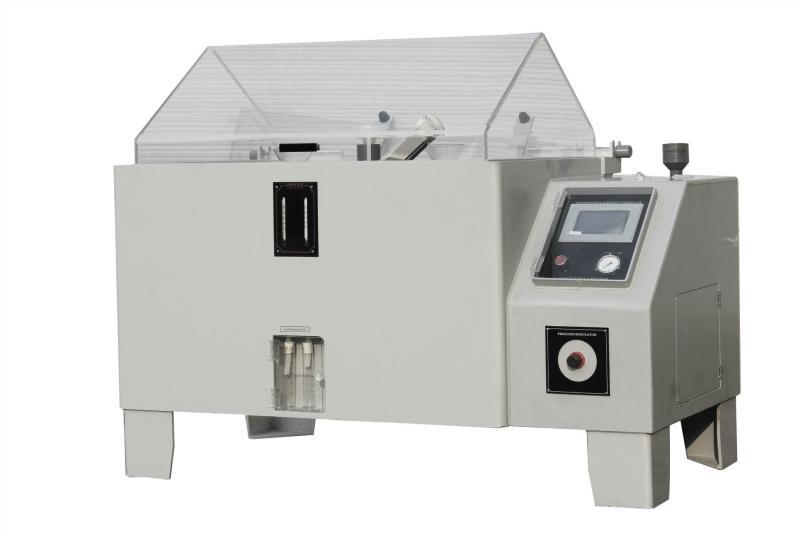
During the test, connectors are placed inside a sealed chamber and exposed to a fine mist of salt solution at a controlled temperature. This accelerated environment simulates years of coastal or marine exposure in a matter of days or weeks, giving engineers measurable data on corrosion resistance and helping buyers compare the long-term reliability of different connector finishes.
What the Test Verifies
Salt spray testing is not just about checking for visible rust. It provides evidence on several performance aspects that directly affect connector lifespan:
-
Surface plating integrity: Confirms that nickel, gold, or zinc plating remains intact and continues to protect the base metal from oxidation.
-
Contact reliability: Verifies that corrosion does not degrade the electrical contact surface, which could increase resistance and cause overheating or signal attenuation.
-
Housing and seal performance: Checks whether the connector shell, gaskets, and sealing materials resist salt ingress that could damage internal components.
-
Material compatibility: Identifies weak points in the material selection, helping manufacturers choose better alloys or protective coatings for demanding environments.
Interpreting Salt Spray Test Results
When reviewing test reports, it is important to understand that the number of hours a connector survives in the chamber is not a direct promise of real-world service life. The test is comparative and accelerated. A connector that withstands 72 hours of salt spray may perform differently in a natural marine environment, where temperature cycles, UV exposure, and mechanical stress also play a role.
For practical selection, use the test result as a baseline for comparing similar products from different suppliers. If your application involves continuous outdoor exposure or offshore operation, look for connectors with higher corrosion resistance ratings and confirm that the test was performed on the complete assembled connector, not just on a flat test coupon of the same material.
Choosing Connectors for Corrosive Environments
For projects in coastal facilities, marine equipment, or chemical processing plants, prioritize connectors with stainless steel or nickel-plated shells and sealed interfaces. Verify that the mating face is protected when unmated, and consider using protective caps during storage or maintenance periods. If your existing connector design has failed corrosion testing, discuss alternative plating options or housing materials with your supplier before changing the entire connector series.
For a deeper look at how electrical performance is verified beyond corrosion resistance, review our guide on electrical performance testing in connector quality control. If you are evaluating connectors for offshore fishing or open-sea operations, this FAQ on cost-effective connectors for harsh marine environments provides practical selection guidance.
Next Step for Your Project
If you are selecting a connector for a salt-exposed application, send us your operating environment details, including expected exposure hours, temperature range, and whether the connector will be mated or unmated during service. Our team can help you interpret test data and recommend a connector finish that matches your reliability requirements.




 Tel: +8619924482730
 Email: info@kmydconnector.com
 MP/WhatsApp: +8619924482730
 Manufacturer Address:Baoan District, Shenzhen City, Guangdong Province,China