LD20/SP20 Industrial Flange Connector Dimensions and Specs
Why Airtightness Testing Matters for Industrial Connectors
Moisture, dust, and pressure changes are common threats in industrial and outdoor installations. A connector that appears mechanically sound can still allow micro-leaks that degrade insulation resistance, accelerate corrosion, and eventually interrupt signal or power transmission. Airtightness testing provides objective evidence that the sealing system—whether a molded body, O-ring, or gasket—performs as intended before the connector leaves the factory.
For engineers and procurement teams, this test answers a practical question: will the connector maintain its rated protection over time in the intended environment? The answer depends not only on the IP rating stated in the datasheet but also on the consistency of the sealing process during production.
How the Airtightness Test Works
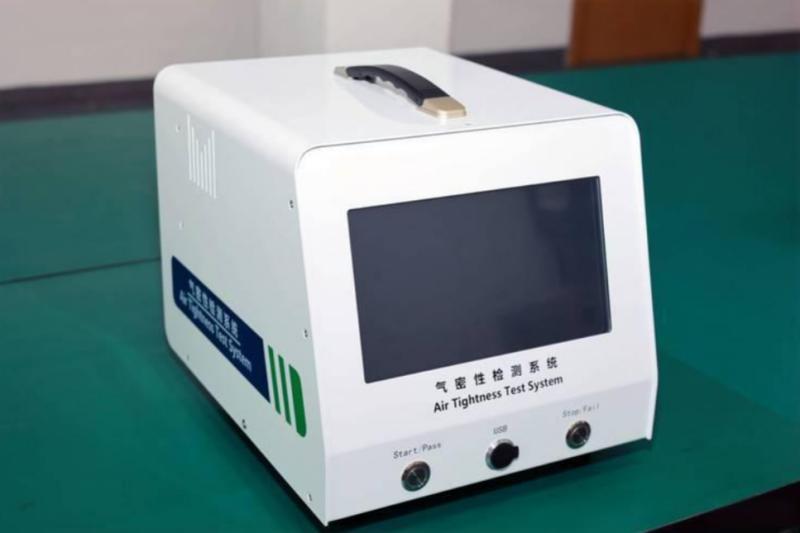
An airtightness tester applies a controlled air pressure differential to the sealed connector and measures any pressure decay over a defined period. A stable pressure reading indicates that the sealing interfaces are intact. This method detects issues that visual inspection cannot reveal, such as:
- Micro-cracks in molded or overmolded housings
- Incomplete seating of O-rings or gaskets
- Inconsistent sealing compound application
- Damage to mating surfaces from handling or assembly
By identifying these defects before final assembly, manufacturers can correct process variables early and avoid delivering connectors that may fail prematurely in the field.
What the Test Confirms for Your Application
For connectors used in harsh industrial or outdoor environments, airtightness testing supports three key performance expectations:
-
Leak-proof performance: The sealing system resists ingress of moisture and dust under normal operating conditions.
-
Durability under stress: The connector maintains sealing integrity when exposed to temperature cycling, vibration, or pressure variations.
-
Electrical function protection: Internal contacts and insulation remain protected from environmental contaminants that could cause short circuits or signal degradation.
It is important to note that airtightness testing is performed on sealed, mated connectors. The result reflects the performance of the complete sealing system, not the behavior of unmated components.
Quality Control Before Delivery
Testing every connector before shipment adds a verification step that reduces the risk of field failures. For applications where downtime is costly—such as automation lines, outdoor lighting, or marine equipment—this pre-delivery check provides documented assurance that the product meets the stated quality and performance standards.
If you are selecting a connector for a demanding environment, ask your supplier how airtightness testing is integrated into their production process and what acceptance criteria are used. This information helps you compare suppliers on more than just datasheet ratings.
Next Step
Review the sealing requirements of your application and confirm that the connector series you are considering has been tested under conditions similar to your operating environment. For assistance with connector selection or to discuss testing requirements, contact our engineering team with your application details.




 Tel: +8619924482730
 Email: info@kmydconnector.com
 MP/WhatsApp: +8619924482730
 Manufacturer Address:Baoan District, Shenzhen City, Guangdong Province,China