RF Connector Types, Materials, and Electrical Specs
Why Thermal Shock Testing Matters for Connector Reliability
Thermal shock testing is an essential part of quality control in connector manufacturing. It evaluates the ability of connectors to withstand rapid and extreme temperature changes without compromising electrical or mechanical performance. This test helps ensure that connectors remain reliable in demanding environments such as industrial automation, aviation, and outdoor applications.
During the thermal shock test, connectors are exposed to alternating high and low temperatures within a controlled thermal shock testing chamber. These rapid transitions simulate real-world conditions where connectors may experience sudden environmental changes. This process helps identify potential issues such as material expansion, contraction, cracking, or loss of contact integrity.
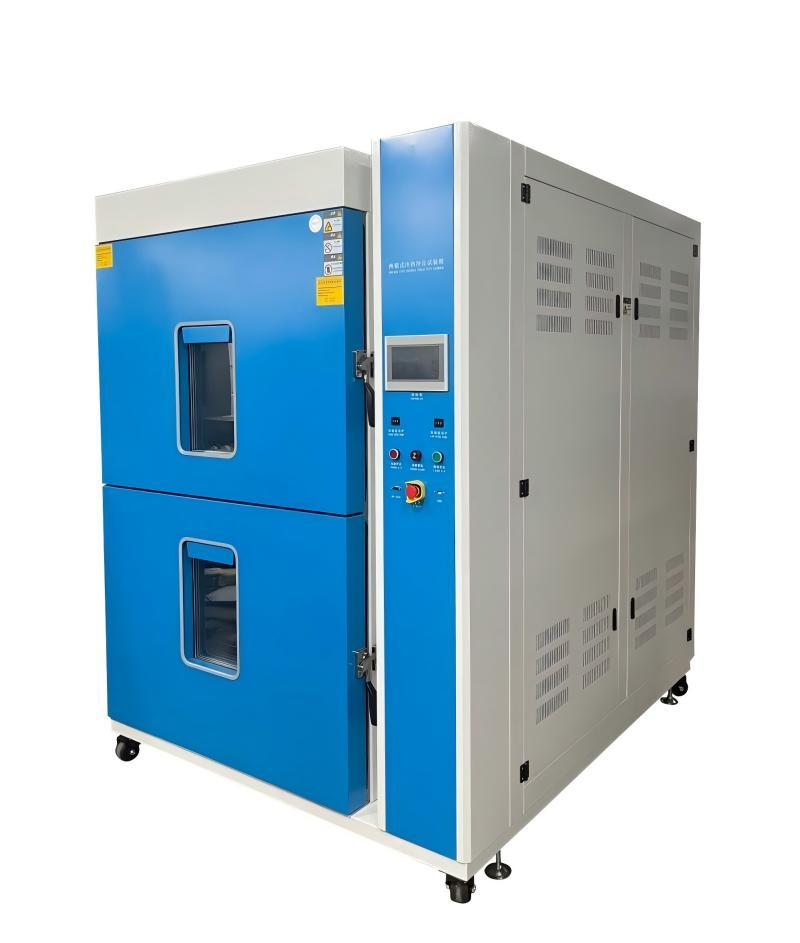
What Thermal Shock Testing Reveals
Thermal shock testing goes beyond standard temperature cycling by introducing near-instantaneous temperature transitions. This aggressive stress profile exposes weaknesses that slower temperature changes might miss. For engineers and buyers evaluating connector options, understanding this test helps in selecting components suited for harsh or fluctuating environments.
-
Material stability: Detects expansion or contraction mismatches between housing, insert, and contact materials.
-
Sealing integrity: Verifies that gaskets and molded interfaces maintain their protective seal after repeated thermal stress.
-
Contact reliability: Confirms that contact pressure and electrical continuity remain stable after thermal cycling.
-
Structural durability: Identifies cracking, deformation, or loosening of components under rapid temperature change.
How to Interpret Thermal Shock Test Results
When reviewing test data, pay attention to the temperature range, number of cycles, and the dwell time at each extreme. A connector that passes a wider temperature range with more cycles generally offers greater robustness for demanding applications. However, always compare test conditions with your actual operating environment, as derating may apply outside tested parameters.
For applications involving wide temperature adaptability, such as scientific research chambers or outdoor industrial equipment, thermal shock performance is a key selection criterion. If you are evaluating connectors for such environments, consider reviewing connector suitability for high-low temperature test chambers to understand typical requirements.
Next Steps for Your Connector Selection
Before finalizing a connector choice, confirm the thermal shock test conditions used by the manufacturer and whether they match your application's demands. Ask for test reports that specify temperature extremes, transition times, and cycle counts. This evidence helps you compare products on a factual basis rather than relying on general claims.
For further guidance on how electrical performance testing supports connector quality, see electrical performance testing in connector quality control.




 Tel: +8619924482730
 Email: info@kmydconnector.com
 MP/WhatsApp: +8619924482730
 Manufacturer Address:Baoan District, Shenzhen City, Guangdong Province,China