LD20/SP20 Heavy-Duty Square Connector Dimensions and Specs
Why Push-Pull Connectors Speed Up Frequent Reconfiguration
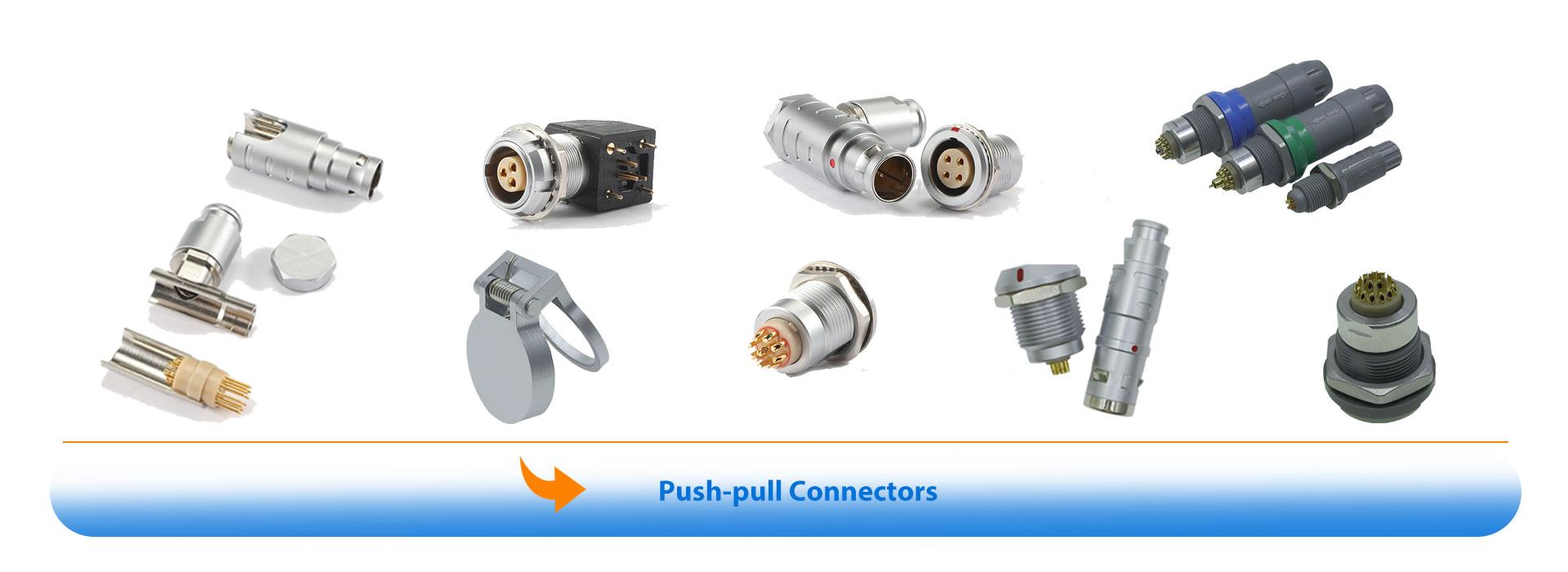
In test equipment, portable instruments, and other systems that are repeatedly connected and disconnected, the time spent on each mating cycle directly affects productivity. Traditional screw-lock connectors require precise threading and manual tightening, which slows down setup and adds mechanical wear over time. Push-pull connectors solve this by enabling a secure connection with a simple push action and a quick release with a pull, eliminating the need for tools.
This tool-free operation reduces setup time, minimizes wear on the mating interface, and makes daily handling more convenient for technicians and field operators. For applications where cables are swapped often or where space limits access to the connector, the push-pull mechanism offers a practical advantage over threaded designs.
Key Benefits of the Push-Pull Mating Mechanism
-
Tool-free operation: No screwdriver or torque wrench is needed, so connection and disconnection are faster.
-
Reduced wear: The push-pull action avoids the friction and thread damage that can occur with repeated screw locking.
-
Consistent locking: The mechanism provides a defined locking state, helping operators confirm a secure connection without over-tightening.
-
Better for frequent reconfiguration: Test benches, portable devices, and modular equipment benefit from quick changes between cables or instruments.
Where Push-Pull Connectors Fit Best
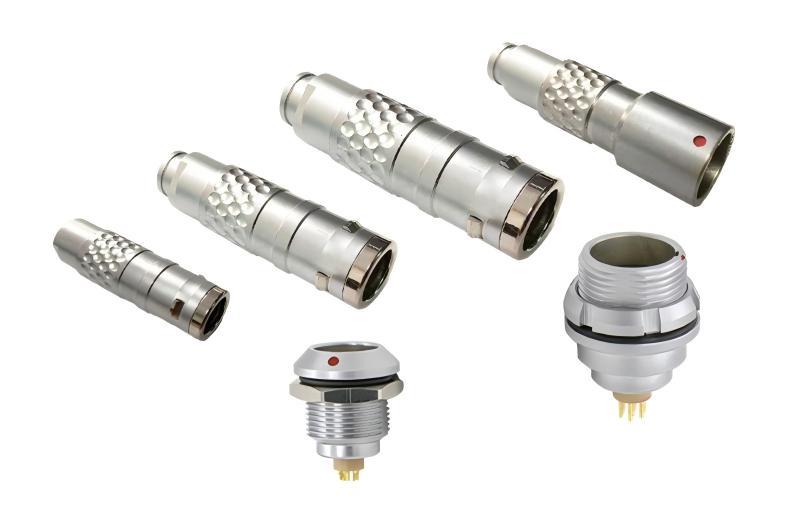
Push-pull connectors are increasingly specified in applications that require frequent reconfiguration, such as automated test equipment, medical devices, and portable field instruments. Their speed and ease of use make them a strong choice when operators need to change connections quickly without compromising on locking security.
However, the suitability of a push-pull connector still depends on the specific electrical, environmental, and mechanical requirements of your application. Always verify the rated current, voltage, IP protection, and mating cycle life against your actual operating conditions before selecting a series.
Choosing the Right Push-Pull Connector for Your Application
When evaluating push-pull connectors, consider the following decision points:
-
Mating interface and locking style: Confirm the push-pull mechanism matches your required insertion and withdrawal forces.
-
Pin count and contact layout: Match the connector series to your signal, power, or hybrid requirements.
-
Environmental protection: Check the IP rating and temperature range against your installation environment.
-
Cable and mounting options: Verify whether you need a cable plug, panel socket, straight or angled version, and the compatible cable diameter.
For a closer look at how push-pull connectors are applied in demanding environments, see this example from electrosurgical equipment in Germany. If you are evaluating the mechanical benefits of the locking mechanism, the push-pull connector feature overview explains the design in more detail.
Next Step: Confirm Your Interface and Operating Conditions
To move forward with a push-pull connector selection, prepare your key parameters: required pin count, current and voltage ratings, cable diameter, mounting style, and the environmental conditions of your application. Sharing these details with our engineering team will help confirm the right series and mating interface for your project.
Use the inquiry form or WhatsApp contact on this page to send your requirements, and we will respond with a suitable connector recommendation.



 Tel: +8619924482730
 Email: info@kmydconnector.com
 MP/WhatsApp: +8619924482730
 Manufacturer Address:Baoan District, Shenzhen City, Guangdong Province,China