P Series Waterproof Connectors Types and Core Counts
Why UV Resistance Is a Core Requirement for Photovoltaic Inverter Connectors
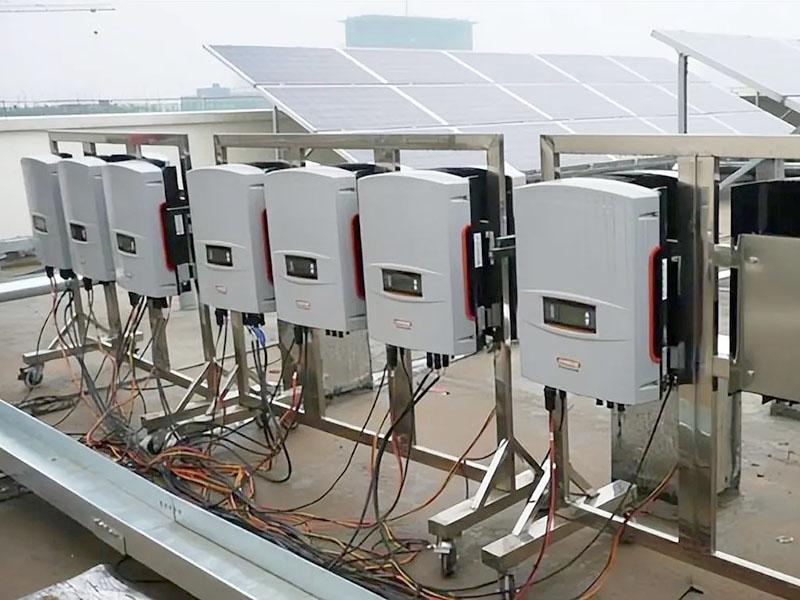
Photovoltaic (PV) systems are designed for decades of outdoor service, typically 25 years or more. The connectors used in these systems are exposed to direct sunlight, temperature swings, and moisture throughout their operational life. UV radiation from the sun degrades standard polymer materials, causing them to become brittle, crack, and lose their mechanical strength and sealing integrity. A connector that fails due to UV degradation can lead to system downtime, electrical faults, or even safety hazards.
Therefore, UV resistance is not an optional feature but a fundamental material requirement for any connector installed in an outdoor PV environment.
Recommended Solution: SP Series Waterproof Connectors
For applications requiring robust UV protection, the SP series waterproof connectors are a suitable choice. These connectors are rated IP68, indicating a high level of protection against dust ingress and prolonged immersion in water, which is critical for outdoor installations.
The key feature of the SP series for this application is the material formulation of the housing. The shells are manufactured with added UV stabilizers, ensuring the material can withstand prolonged exposure to sunlight without significant degradation.
Material and Testing Standards
The UV resistance of the SP series housing is verified through testing to the ISO 4892-3 standard, specifically using UVB 313nm lamps. This accelerated weathering test method is a recognized industry benchmark for evaluating the durability of plastics in outdoor environments. Compliance with this standard provides a verifiable basis for the material's performance claims.
Expected Service Life
Based on this material formulation and testing, the SP series connectors are rated for a service life of at least 10 years in outdoor conditions. This is a significant advantage when compared to the typical replacement cycle of connectors within a 25-year PV power station lifespan. The extended service life reduces maintenance costs and minimizes the risk of system downtime due to connector failure.
Electrical and Mechanical Design for PV Applications
Beyond UV resistance, the SP series incorporates design features that address the specific challenges of PV inverter connections.
Anti-Reverse Insertion Protection
One of the critical risks in PV installations is polarity reversal, which can cause severe damage to the inverter. The SP series features an anti-reverse insertion design. This mechanical keying prevents incorrect mating, thereby avoiding the risk of inverter burnout caused by reversed polarity connections.
Electrical Specifications
For DC power transmission in PV systems, the SP series offers a 2-pin configuration. This pin layout is designed to handle a system voltage of 1500V DC, which is a common voltage class for modern, high-efficiency photovoltaic installations.
Selection Considerations for Your PV Project
When selecting a connector for a PV inverter, consider the following points to ensure a reliable and safe installation:
-
Environmental Exposure: Confirm the connector's UV rating and IP protection class match the specific installation environment, considering factors like altitude, humidity, and average annual sunlight hours.
-
System Voltage: Verify that the connector's rated voltage (e.g., 1500V DC) is compatible with your inverter and solar panel string voltage.
-
Polarity Protection: Ensure the connector's keying or design prevents reverse polarity connections to protect sensitive inverter electronics.
-
Long-Term Reliability: Evaluate the connector's expected service life and material certifications to minimize future maintenance and replacement needs.
For more information on connector types and configurations, you may find our guide on P Series waterproof connector types and core counts useful. If you are working on a specific outdoor application, our case study on SP13 connectors for outdoor LED displays in Brazil provides a practical example of their use in harsh environments.



 Tel: +8619924482730
 Email: info@kmydconnector.com
 MP/WhatsApp: +8619924482730
 Manufacturer Address:Baoan District, Shenzhen City, Guangdong Province,China