WS Series Aviation Connectors Types, Materials, and Specs
Why Material Selection Defines MIL-SPEC Connector Reliability
When you are specifying a circular connector for defense, aerospace, or other mission-critical systems, the housing and contact materials are not just component details—they are the primary determinants of long-term electrical and mechanical performance. This guide explains how MIL-SPEC material choices affect your application's durability, signal integrity, and total cost of ownership.
Aluminum Alloy Housings: Strength Without the Weight Penalty
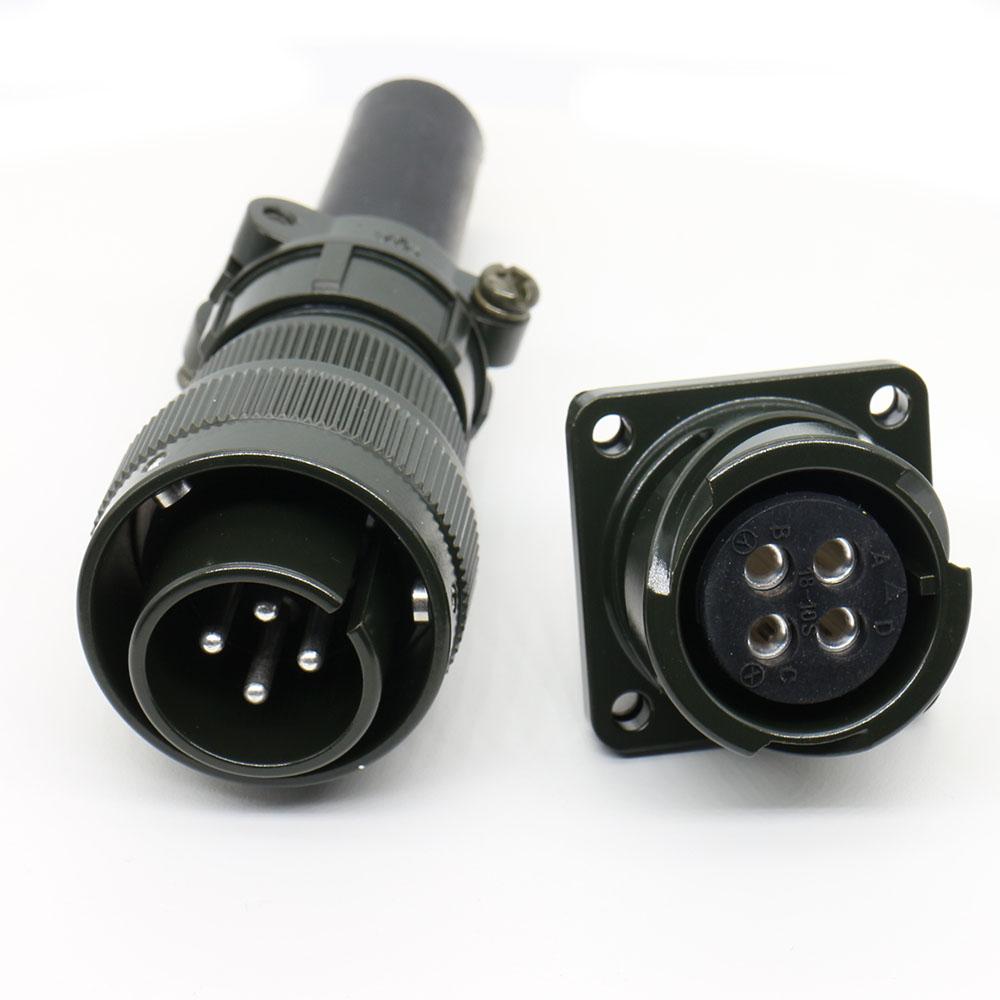
Our MIL-SPEC connectors are strictly designed to meet U.S. military performance standards. The housing is made of high-quality aluminum alloy, offering lightweight construction, high structural strength, and superior corrosion and impact resistance. It is built to withstand extreme battlefield environments, including field and aviation applications, while providing reliable electromagnetic shielding.
Gold-Plated Brass Contacts: The Key to Stable Signal Transmission
All terminals feature gold-plated brass, ensuring excellent conductivity, extremely low contact resistance, and protection against oxidation—guaranteeing stable signal and power transmission over the long term. Every material and finished product complies with U.S. military testing and certification requirements.
Comparing Material Grades: The Hidden Cost of Cost-Saving Alternatives
In contrast, some manufacturers opt for cost-saving alternatives, such as ordinary steel or low-grade aluminum housings—prone to rust and deformation—and unplated brass terminals, which are susceptible to oxidation and unstable contact over time.
When evaluating a connector for your project, consider these decision points:
-
Environmental exposure: Will the connector face salt spray, extreme temperature swings, or physical impact? Aluminum alloy's corrosion resistance is critical in these conditions.
-
Signal integrity requirements: For low-voltage or high-frequency signals, gold-plated contacts are essential to prevent oxidation-related resistance drift.
-
Mating cycle expectations: The hardness and plating quality of the contact material directly influence how many insertions the connector can withstand.
-
Weight constraints: In aviation and portable field equipment, the weight savings of aluminum alloy over steel can be a decisive factor.
Making the Right Specification Choice
Through rigorous material selection and military-grade process control, our connectors deliver enhanced environmental resilience and electrical reliability, providing a higher overall value while fully meeting stringent military standards. For a deeper look at how these materials are applied across different series, you can review our aviation plug connector catalog.
If you are comparing options for a high-reliability system, understanding the specific alloy grade and plating thickness is essential. For more details on the performance characteristics of these materials, see our analysis of lower resistance and higher durability.
To ensure the connector you select meets your application's specific electrical and environmental demands, verify the rated values against your operating conditions. Contact our engineering team with your project requirements to confirm the optimal material and plating specification for your needs.



 Tel: +8619924482730
 Email: info@kmydconnector.com
 MP/WhatsApp: +8619924482730
 Manufacturer Address:Baoan District, Shenzhen City, Guangdong Province,China