SF Series Aviation Connectors Specifications and Performance Data
Why Full-Process Inspection Matters for Connector Reliability
When you specify circular connectors for industrial equipment, the difference between a reliable production line and costly downtime often comes down to quality control. Sampling-based inspection, while common, leaves room for defective units to reach your facility. This article explains how a 100% inspected, end-to-end quality system protects your application from unexpected failures.
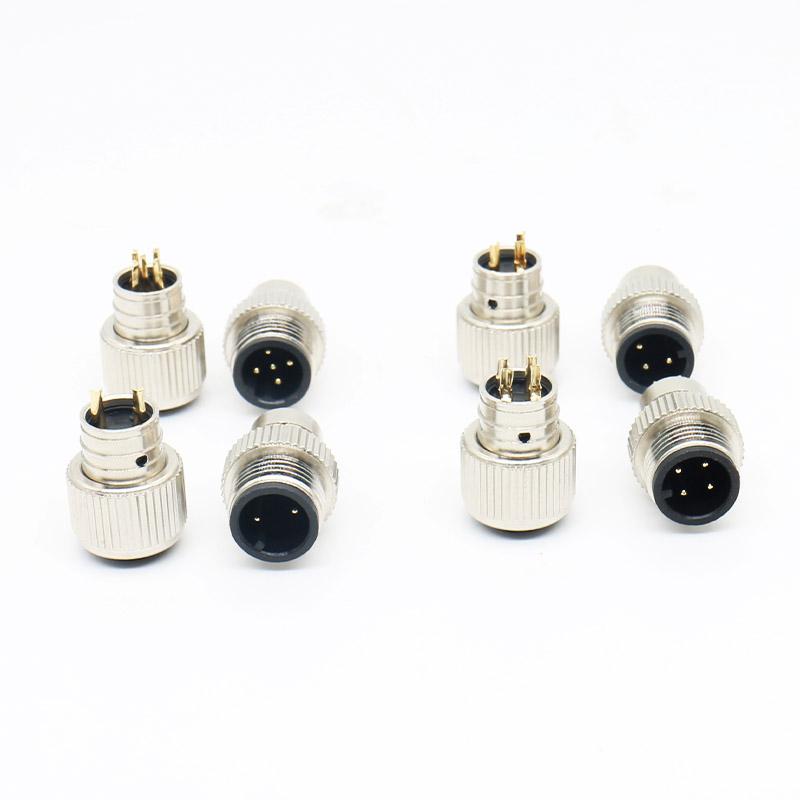
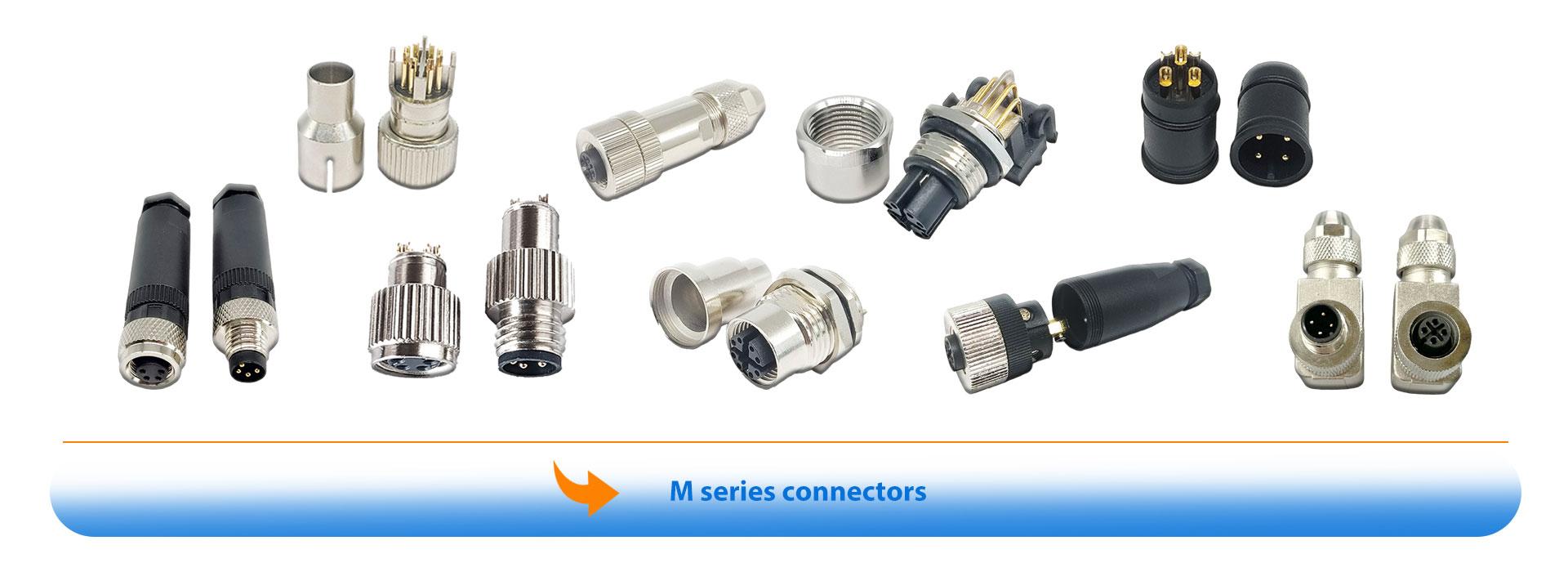
Our M-Series connectors are manufactured under a full-process control philosophy. Unlike competitors who rely on statistical sampling, every unit is verified at each stage of production. This approach is designed to meet zero-defect standards, ensuring that the connectors you receive perform consistently from the first mating cycle to the last.
Three-Stage Inspection: From Raw Material to Final Test
The quality assurance process is structured around three critical checkpoints, each with a specific focus:
-
Incoming Quality Control (IQC): 100% inspection of all raw materials, including brass nickel-plated housings and copper gold-plated contacts, before they enter the production line.
-
In-Process Quality Control (IPQC): Hourly checks by production teams on dimensional tolerances and sealing performance during manufacturing.
-
Outgoing Quality Control (OQC): Every finished unit is tested for mating cycles and ingress protection before shipment.
This three-stage system ensures that defects are caught at the source, not after the product has left the factory.
What This Means for Your Application
Choosing a connector with full-process inspection directly impacts your operational costs and production stability. The benefits are practical and measurable:
-
Eliminates quality leakage: Defective products are removed before they can enter your supply chain.
-
Reduces return costs: Fewer field failures mean less time and money spent on replacements and rework.
-
Ensures consistent reliability: Uniform quality supports uninterrupted production runs, even in demanding environments.
For engineers and procurement teams, this translates into lower total cost of ownership and greater confidence in the final assembly.
How to Evaluate a Connector Supplier's Quality System
When assessing a potential supplier, ask specific questions about their inspection process. A reliable partner should be able to document their procedures clearly. Consider the following checklist:
- Do they perform 100% inspection on raw materials, or only on a sample basis?
- What specific parameters are checked during in-process control, and how frequently?
- Are final tests for mating cycles and ingress protection performed on every unit?
- Can they provide traceability records for a specific batch or order?
If a supplier cannot answer these questions with verifiable data, their quality claims may not hold up under real-world conditions.
Next Step: Verify Your Connector Requirements
To ensure the M-Series connector meets your specific application needs, review your electrical, mechanical, and environmental specifications against the product data. If you need assistance selecting the correct pin count, mounting style, or cable range, our team can help you match the right configuration to your project requirements.
For a deeper look at the M-Series platform, you can review the 12G Series Circular Connectors for high-reliability systems, or explore the M Series Circular Connectors with Nickel-Plated Brass Housing to understand material options. Contact us with your application details to discuss how our inspection process supports your quality goals.



 Tel: +8619924482730
 Email: info@kmydconnector.com
 MP/WhatsApp: +8619924482730
 Manufacturer Address:Baoan District, Shenzhen City, Guangdong Province,China