RF Connector Types, Materials, and Electrical Specs
Why 100% Inspection Matters for DIN Connectors
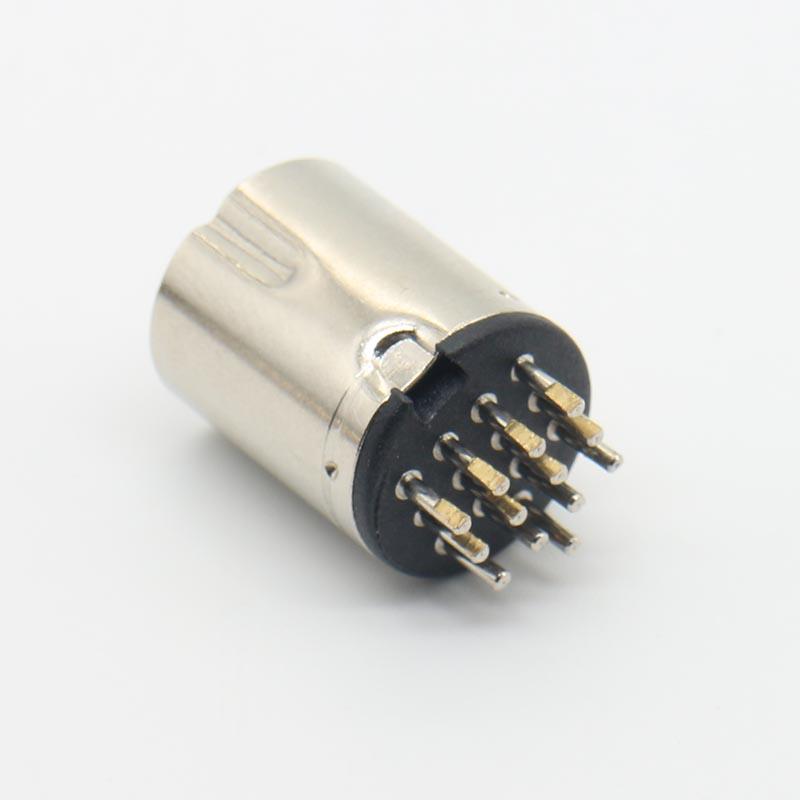
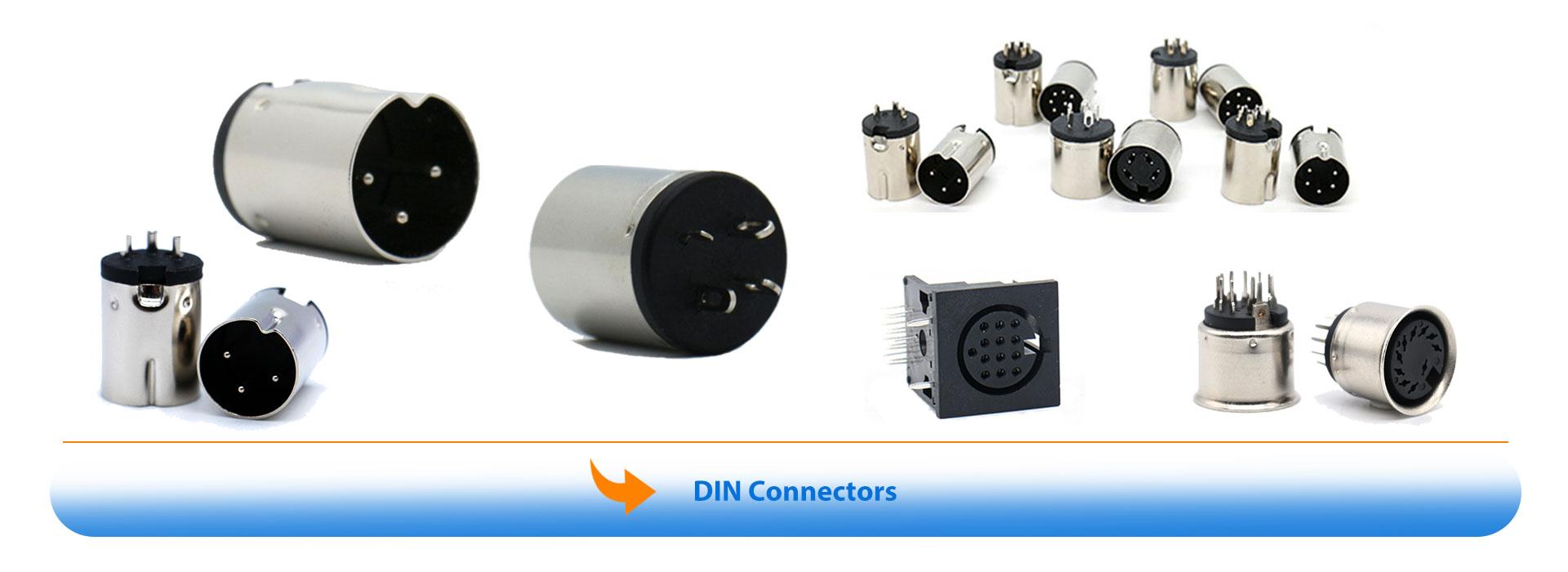
When you specify DIN connectors for industrial equipment, the cost of a single field failure often far exceeds the price of the component itself. Downtime, troubleshooting, and replacement labor can quickly erode project margins. This is why the difference between sampling inspection and 100% inspection is not just a quality metric—it is a direct factor in your operational reliability.
Our DIN connectors are supported by a full-process quality control system implemented in our own factory. From raw material intake to finished product shipment, we perform 100% inspection on every unit. This approach ensures that each connector you receive has been individually verified, not just statistically sampled.
What Our 100% Inspection Process Covers
Each product undergoes rigorous testing designed to simulate real-world stresses and catch defects before they reach your assembly line. The key checks include:
-
Electrical continuity testing: Verifies that every contact path is intact and correctly terminated.
-
Mating cycle durability: Confirms the connector can withstand repeated insertion and withdrawal without degradation.
-
Interference resistance: Checks the integrity of shielding and contact stability under electromagnetic interference.
-
72-hour extreme-condition aging: Subjects the connector to prolonged stress to reveal latent material or assembly weaknesses.
This comprehensive testing regimen contributes to a 99.9% factory pass rate, providing a high level of confidence for applications where reliability is non-negotiable.
Sampling vs. Full Inspection: The Reliability Gap
In contrast, most competitors rely on sampling inspections and omit multiple reliability tests, resulting in inconsistent quality. While sampling is a standard industry practice for high-volume goods, it carries inherent risk. A defective batch can slip through if the sample size is too small or the testing criteria are not stringent enough.
By integrating stringent quality standards into every step of production, we aim to completely eliminate defective products from reaching customers. This approach surpasses industry-average quality levels and is designed to provide stable and reliable connector solutions for demanding industrial environments.
Choosing a Connector Supplier for High-Reliability Systems
For engineers and procurement professionals, the inspection process is a critical selection criterion. When evaluating suppliers, consider asking about their specific test procedures, pass-rate targets, and whether they can provide traceability documentation for individual batches. A supplier's commitment to 100% inspection is often a strong indicator of their overall manufacturing discipline.
If your project involves high-vibration machinery, frequent maintenance cycles, or critical signal integrity, the durability of the connector is paramount. You can learn more about the long-term performance of our DIN connectors with 10,000 mating cycles to assess if they meet your application's lifecycle requirements.
Next Steps for Your Project
To determine if our 100% inspected DIN connectors are the right fit for your control system or power distribution design, we recommend sharing your specific electrical and mechanical requirements. Our team can help you verify interface compatibility, pin configurations, and environmental ratings against your application needs.
Please use the inquiry form or WhatsApp to send us your specifications. We will respond with detailed technical documentation and availability information to support your procurement decision.



 Tel: +8619924482730
 Email: info@kmydconnector.com
 MP/WhatsApp: +8619924482730
 Manufacturer Address:Baoan District, Shenzhen City, Guangdong Province,China