RF Connector Types, Materials, and Electrical Specs
Why Wire Harness Protective Sleeving Matters
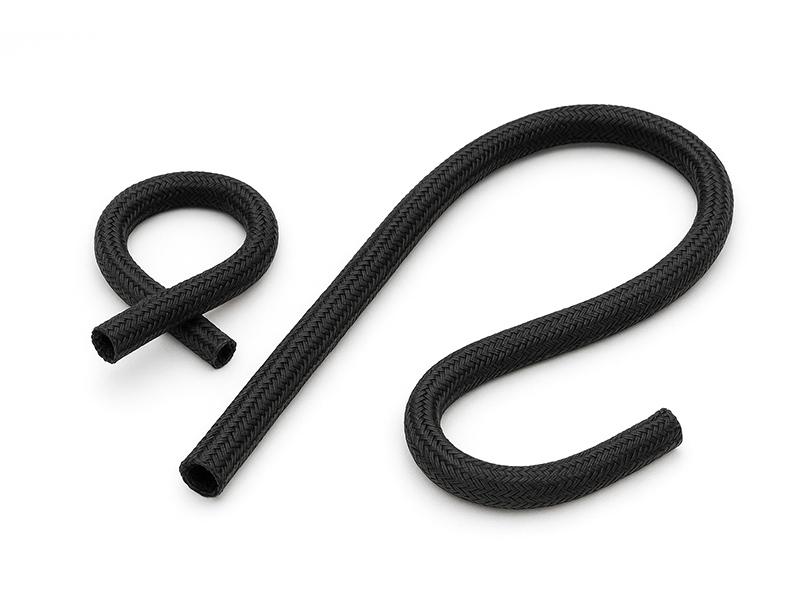
Wire harness protective sleeving is a critical component in safeguarding electrical systems. Made from insulating and flame-retardant materials, it is sleeved over wire harnesses externally to provide protection against abrasion, interference, and fire hazards. This protective layer helps extend the service life of cables and reduces the risk of downtime caused by damaged wiring.
For engineers and maintenance teams working with industrial equipment or medical instruments, choosing the right sleeving is not just about physical coverage. It involves understanding the operating environment, mechanical stress, and safety requirements to ensure reliable long-term performance.
Key Considerations When Selecting Protective Sleeving
To make an informed decision, evaluate the following factors based on your specific application:
-
Abrasion Resistance: Consider the level of mechanical wear the harness will face, especially in moving parts or high-vibration areas.
-
Thermal and Flame Protection: Verify the material's operating temperature range and flame-retardant rating against your equipment's heat exposure.
-
Electromagnetic Interference (EMI) Shielding: If signal integrity is critical, check whether the sleeving offers conductive shielding or if a separate shield is needed.
-
Chemical and Moisture Exposure: Assess resistance to oils, solvents, and humidity, particularly in industrial or medical cleaning environments.
-
Installation Flexibility: Determine if the sleeving needs to be expandable, slit, or heat-shrinkable for easy application over existing connectors.
Application Boundaries and Limitations
While protective sleeving provides robust defense, it is not a substitute for proper cable routing or waterproof connectors. It is designed for external mechanical and thermal protection, not for sealing against submersion. For applications requiring high ingress protection, consider integrating sleeving with IP-rated connector systems.
For example, in automated production lines, combining protective sleeving with a reliable connector interface ensures both cable durability and secure signal transmission. Reviewing your full wiring assembly—from the cable core to the mating connector—helps avoid mismatched protection levels.
What to Prepare Before Ordering
To get the most suitable sleeving for your project, prepare the following details before contacting a supplier:
- Wire harness bundle diameter and total length.
- Minimum and maximum operating temperatures.
- Exposure to chemicals, UV light, or mechanical flexing.
- Required inner diameter and expansion ratio for installation.
- Any specific flame-retardant or material compliance standards.
Next Steps for Your Application
If you are unsure whether standard sleeving meets your needs, consult with a specialist who can review your application requirements. For related wiring protection and connection solutions, explore our aviation plug connectors or review cable options that pair well with protective sleeving. For specific technical questions, our team can help you match the right components to your environmental and electrical demands.
Contact us via the inquiry form or WhatsApp to discuss your wire harness protection needs with detailed drawings or specifications.



 Tel: +8619924482730
 Email: info@kmydconnector.com
 MP/WhatsApp: +8619924482730
 Manufacturer Address:Baoan District, Shenzhen City, Guangdong Province,China