M8 Waterproof Connector Types and Specifications
Connector Metal Shells: Protection and Shielding for High-Reliability Systems
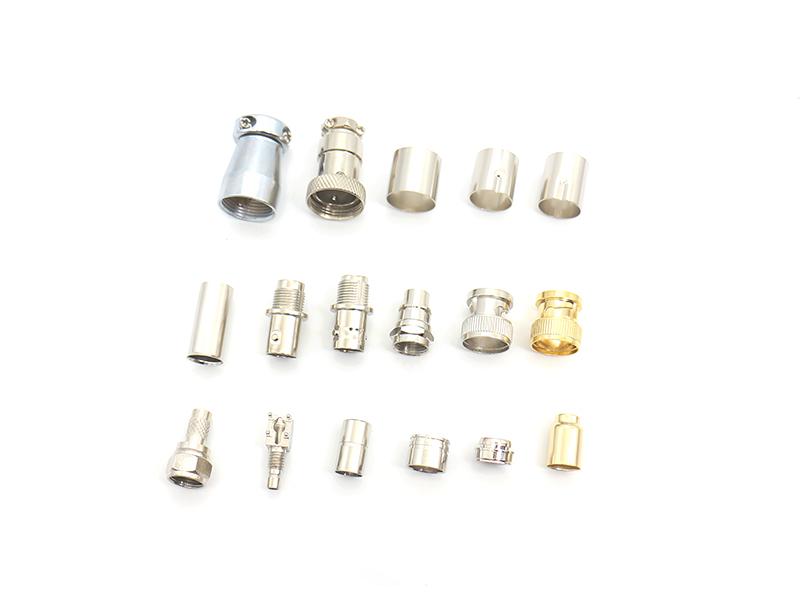
Connector metal shells are the outer protective housing of industrial circular connectors, typically manufactured from zinc alloy die-cast or copper materials. These shells provide the mechanical strength and environmental protection that internal contacts and insulators require in demanding operating conditions. For engineers and procurement professionals selecting connectors for industrial control, aerospace, or outdoor equipment, understanding the role of the metal shell is essential to ensuring long-term system reliability.
Zinc alloy die-cast shells offer a favorable balance of strength, dimensional stability, and cost-effectiveness, making them a common choice for M-series waterproof connectors and aviation-style circular connectors. Copper shells, by contrast, provide superior electrical conductivity and are often selected where electromagnetic shielding performance is a priority. Both material options deliver corrosion resistance suited to industrial environments, though the specific plating and surface treatment can further influence performance in humid or chemically aggressive settings.
Key Decision Points When Selecting Metal Shells
-
Material selection: Choose zinc alloy for balanced mechanical protection and economy, or copper when enhanced conductivity and shielding are required.
-
Compatibility: Verify that the shell matches the specific connector series, pin count, and mating interface. Shells are not interchangeable across different series without confirmation.
-
Environmental protection: Confirm the IP rating of the assembled connector, as the shell contributes to sealing but does not alone guarantee waterproof performance while unmated.
-
Application environment: Consider temperature range, exposure to chemicals, and mechanical vibration when evaluating shell material and finish.
How Metal Shells Support Connector Performance
The primary functions of a connector metal shell are mechanical protection and electromagnetic shielding. The shell guards internal contacts from physical impact, dust ingress, and accidental handling damage during installation and service. In applications where signal integrity matters, the conductive shell also helps contain electromagnetic interference, preserving signal quality in control and data transmission systems.
For M-series waterproof connectors and aviation connectors, the shell is typically paired with sealing components to achieve the rated IP protection. The shell's dimensional accuracy directly affects mating alignment and the consistency of contact engagement, which is why die-cast manufacturing tolerances are a relevant consideration for high-volume or high-reliability deployments.
Parameter Interpretation and Selection Boundaries
When reviewing shell specifications, focus on material grade, surface finish, and dimensional compatibility with the chosen connector series. Zinc alloy shells are generally suitable for indoor and outdoor industrial equipment where moderate mechanical stress is expected. Copper shells are preferable in applications with stricter shielding requirements, such as sensitive instrumentation or communication interfaces.
Metal shells are not suitable for every scenario. In highly corrosive marine environments, additional plating or alternative materials may be necessary. Similarly, if the application demands extreme temperature resistance beyond the shell material's rated range, verify the complete connector assembly's temperature specification rather than assuming the shell alone determines performance.
Information to Provide for Accurate Matching
To receive an accurate shell recommendation, buyers should supply the connector series and model, pin count, mating style (plug or socket), cable entry diameter, and the application environment. If a specific material or finish is required, state that preference explicitly. For custom requirements, provide the relevant drawings or dimensional sketches so the shell can be evaluated against the mating interface.
For further guidance on compatible connector systems, review the aviation plug connector catalog or consult the M8 waterproof connector types and specifications for related selection criteria.
If you have a specific connector model or application in mind, contact our team with your requirements to confirm shell compatibility and material options before ordering.



 Tel: +8619924482730
 Email: info@kmydconnector.com
 MP/WhatsApp: +8619924482730
 Manufacturer Address:Baoan District, Shenzhen City, Guangdong Province,China