GOST OHS Circular Connector with Multiple Core Count Options
Why Machining Precision Matters in GX Aviation Connectors
When you are selecting a circular connector for an industrial or aviation application, the mating feel and long-term contact stability often come down to one factor: machining tolerance. A connector that fits smoothly on day one can still develop intermittent signals or mechanical wear if its core components are not held to tight dimensional limits. This is why the manufacturing process behind the GX series deserves attention before you finalize a part number.
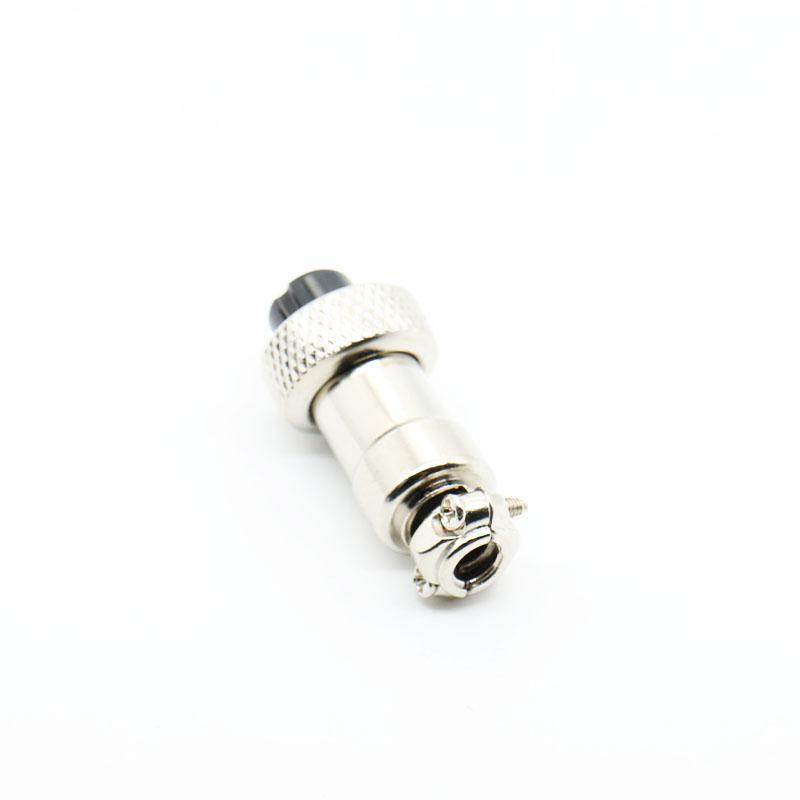
Our GX aviation connectors are manufactured to stringent process standards, achieving precision beyond typical industry levels. Core components are CNC-machined with dimensional tolerances tightly controlled within ±0.02mm, ensuring smooth mating, reliable contact, and eliminating issues such as jamming or poor connection—unlike many competitors using conventional lathe machining, where tolerances often exceed ±0.05mm, leading to wear and loosening over time.
Plating Quality: The Difference Between a Durable Contact and a Failing One
Surface plating is not just a cosmetic finish; it directly affects contact resistance, corrosion resistance, and how many mating cycles the connector can survive. A thin or uneven plating layer can expose the base metal to oxidation, which increases resistance and eventually leads to signal degradation in sensitive circuits.
For plating, we employ vacuum ion gold plating, which produces a dense, uniform coating with strong adhesion, excellent wear resistance, and oxidation protection. In contrast, conventional electroplating commonly results in uneven thickness and susceptibility to peeling. This difference becomes especially visible in environments with high humidity, temperature swings, or frequent mating and unmating cycles.
Three-Stage Inspection: Moving Beyond Random Sampling
Quality assurance in connector manufacturing is often a numbers game. Many manufacturers rely on sampling inspection, where only a percentage of units are tested, leaving room for defective parts to reach your assembly line. For critical connections, that risk is rarely acceptable.
Furthermore, each connector undergoes three full inspection stages, ensuring consistent performance across every unit—significantly enhancing reliability compared to the single sampling inspection adopted by most manufacturers. This means you can plan maintenance schedules and field replacements with more confidence, knowing that each unit meets the same verified standard.
What to Check Before You Specify a GX Connector
To make sure the GX series fits your application, review these points against your system requirements:
-
Mating interface: Confirm the plug and socket configuration matches your existing cable or panel layout.
-
Pin count and layout: Verify the number of contacts and their arrangement against your wiring diagram.
-
Environmental rating: Check the IP rating and temperature range against your installation environment.
-
Termination method: Decide whether you need solder, crimp, or PCB termination for your assembly process.
-
Mating cycles: Estimate how often the connector will be connected and disconnected during its service life.
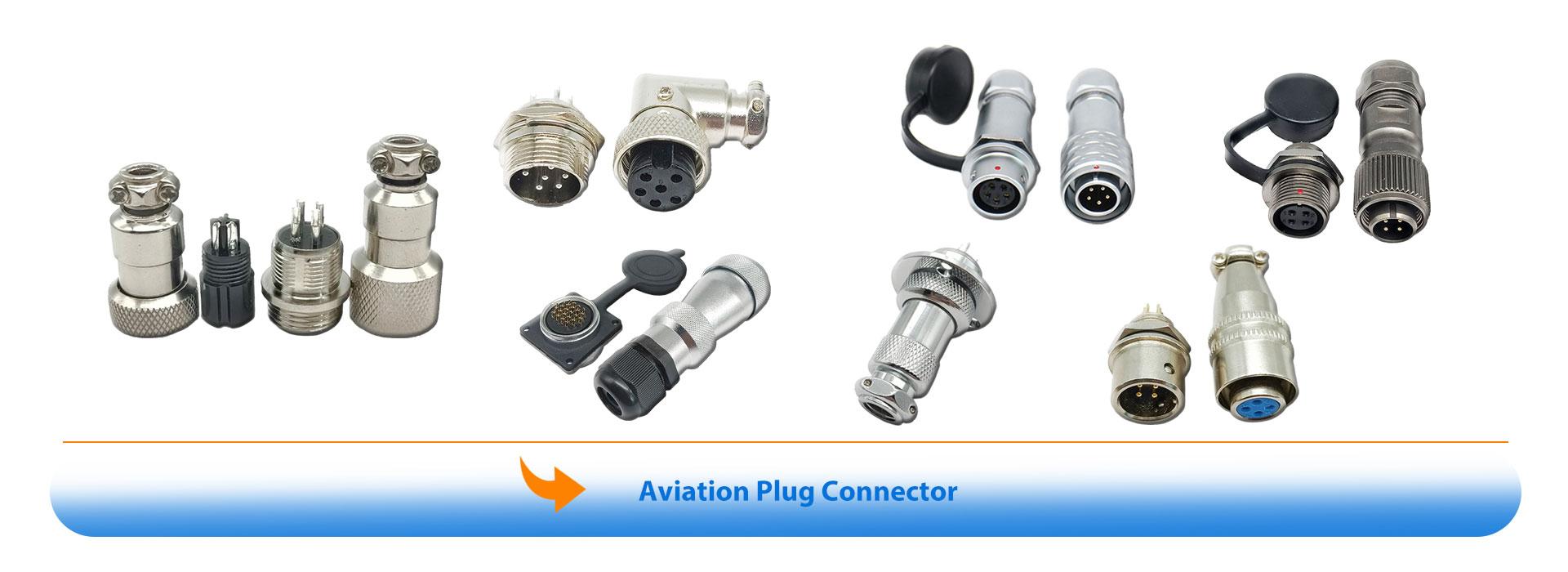
If you are working on a UAV power system or another application where weight and vibration are concerns, you may also want to review how the GX series performs in similar field conditions. For a broader view of compatible circular connector options, you can compare the GX series with other aviation plug families to confirm the best interface for your project.
Next Step: Confirm Your Connector Specification
Once you have verified the pin count, mounting style, and environmental requirements, the next step is to match those parameters against the GX series datasheet. If you need assistance interpreting the tolerance or plating specifications for your specific application, contact our engineering team with your project details so we can help you confirm the correct configuration.



 Tel: +8619924482730
 Email: info@kmydconnector.com
 MP/WhatsApp: +8619924482730
 Manufacturer Address:Baoan District, Shenzhen City, Guangdong Province,China